

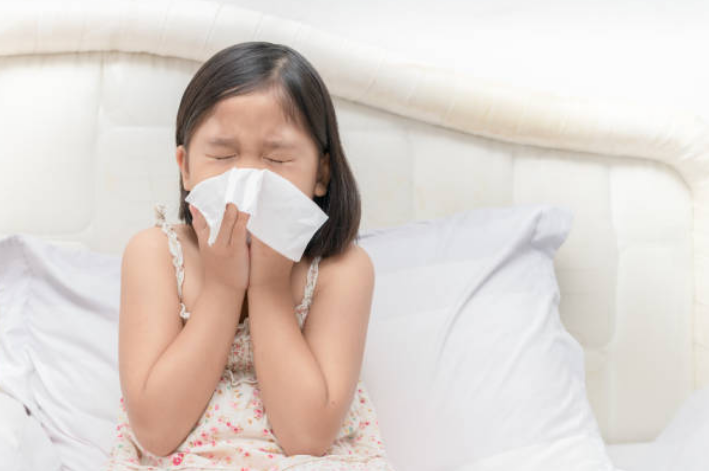
One of the last things a parent would want to see their child experience is the feeling of allergies affecting their growth, which is why many parents usually phone their doctors immediately about it ahead of time for preventive measures.
Dr. Mohamed Haseen Basha, resident pediatrician at Klinika Maharlika who has been in the field for 10 years – 3 years of which are in the UAE, reports that one in five kids in the UAE suffers from a particular allergy, the most common of which is allergic rhinitis.
“The prevalence of physician-diagnosed allergic rhinitis in UAE is 9%, with dust being the main trigger. In Klinika Maharlika we see commonly Allergic Rhinitis, Atopic Dermatitis, Asthma cases,” shares Dr. Basha.
Home causes revealed
The Klinika Maharlika pediatrician furthered that parents should be aware to keep their homes clean – as many of the most common allergens are right at your home.
“The most common allergens in home are air conditioning ducts, Indoor Plants, Carpets, Rugs, Curtains, Stuffed toys, pets, pillows and bedsheets,” reveals Dr. Basha.
Dr. Basha also shares that the family genes of the child may also be a key factor for developing allergies. “Yes, hereditary factors play a big part in determining whether a child has allergies. Having one parent or sibling with allergies gives a child a 25% chance of developing allergies and this chance increases with every additional family member who has allergies. Children allergic to one substance are more likely to develop allergies to other things as well.

- Pollen from trees and grasses
- Proteins secreted from house dust mites
- Foods such as peanuts, tree nuts, milk, fish and eggs
- Pets such as cats, birds and dogs, and other furry or hairy animals
- Insects such as wasps and bees
- Medicines
What can parents do?
Children of any age can have and be tested for allergies according to the American College of Allergy, Asthma, & Immunology.
Depending on the type of allergy suspected, the allergist will choose the most appropriate allergy test or combination of tests. There are three main types of allergy testing.
- Skin tests: The most common types of skin tests for children are prick or scratch tests, intradermal tests, and patch tests.
- Blood tests: A blood test can also help to identify the specific allergenic proteins that trigger food reactions, this type of testing is called allergen component testing Ex: Milk Allergy
- Elimination diet tests: When food allergies are suspected, allergists might recommend a very restricted diet that eliminates certain foods that could be causing an adverse reaction.
Can kids outgrow these allergies?
Dr. Basha shares that there’s a high chance to do so, depending on what the kid is allergic at. “In a general population, 80% outgrow the allergy by age 5, but it may take longer in highly allergic children. Children allergic to milk, egg and soy are most likely going to outgrow their allergies. However, children with allergies to peanuts, tree nuts, fish and shellfish will less likely to outgrow their allergies.”
What methods can parents do to prevent the allergic reaction on their children?
Dr. Basha recommends the following top tips for parents whose children are allergic to a particular substance or food:
For prevention of food allergy:
- Breast-feeding exclusively for the first four to six months, may strengthen the immune system while delaying or preventing atopic dermatitis and milk allergy.
- Solid foods should be introduced gradually between four to six months of age. Egg, dairy, peanut, tree nuts, fish and shellfish can be gradually introduced after less allergenic foods have been tolerated. In fact, delaying the introduction of these foods may increase your baby’s risk of developing allergies.
- Avoid giving your baby any foods which they are allergic too, as diagnosed by your doctor.
For prevention of environmental allergy and Asthma:
- Avoid both active and passive smoking
- Vacuuming is one of the most effective ways to remove allergens such as pollen, sand particles, dust, pet dander and the microorganisms they harbour
- Control indoor temperature and humidity
- Deep cleaning of air-conditioning ducts to clear the molds and fungal spores.
- Avoid too much dust collection by keeping doors and windows closed
- Use a wet cloth to clean surfaces and floors
- Regularly wash and clean pillows, bedsheets with a soft detergent to remove dust mites.
- Avoid pets such as cats and dogs.
- Receive immunisations as recommended
Consult with a Klinika Maharlika doctor today by setting an appointment at 04-325-0034 for their Dubai clinic and 02-631-0209 for their Abu Dhabi clinic.