
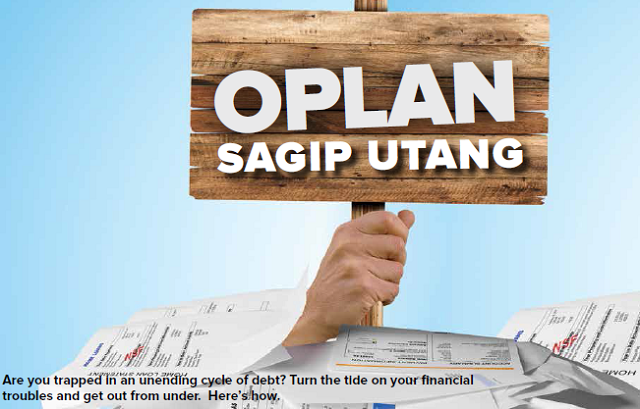
Are you trapped in an unending cycle of debt? Turn the tide on your financial troubles and get out from under. Here’s how.
DUBAI: In the UAE, four out of 10 Filipinos are trapped in a debt cycle. This, according to experts and financial advocacy groups, who said such is a result of whimsical and unplanned spending.
“There are those whose debt payments comprise 50 percent or more of their salary,” said Franz Ramirez Angeles, a certified associate financial planner working with Money Talks UAE (MTUAE). “Kapag ganuon, medyo alarming na iyon. Di na healthy ang finances. Medyo problematic na,” she added.
There are those whose debt payments comprise 50 percent or more of their salary
The MTUAE regularly holds financial literacy seminars and events from which it has come to arrive at the figure, according to Angeles. Asked how could someone be allocating half his salary on debt payments, Ramirez said, “Nag loan sila pero napunta sa consumer spending, halimbawa gadgets, or sa family needs back home or some investment na na-scammed.”
Debt trap
Ramirez’ remarks was echoed by Dhiraj Bhatia, CEO of Express Debt Management Consultancy, which offers programs for those struggling out of a debt trap. “It all starts with a small loan or a low limit credit card. Debt burden builds over a period of time. A borrower must pay off existing liabilities before taking over a new liability.
This is where most people fall into a debt trap as they keep adding onto their liabilities without a proper financial plan to pay off their existing ones,” said Bhatia. Sandeep Ghosh, senior wealth manager at Globaleye UAE, could not have put it more vividly, saying a debt trap is “an extremely difficult hole to climb out of.”
Ghosh said sound debt management is “rarely the case,” likewise noting how he has encountered “extreme cases” where the client is spending more than half of his or her monthly income just to pay off the monthly interest (profit charge) on a loan or credit card, with no end in sight of being able to pay back the whole sum.
“Within the Filipino community, I see cases like this very often. I have met with individuals who could have planned their time in the UAE better, made enough money within 10-12 years and returned home for a comfortable life; but instead they are stuck here after 15 years worse off than they were five years before, and with no end in sight on their debt repayments, purely from lack of effective financial planning,” Ghosh said.
Banking system
In the past, many banks extended unregulated loans, which turned into bad loans. To prevent these errors, the Central Bank imposed a cap on the size of loans that banks can offer.
According to Euromonitor International, this cap forces the banks to be more cautious when lending, preventing lenders from issuing loans to borrowers who are unable to pay them back. Some of the new regulations are: You may not borrow more than 20 times your annual salary; you must not have a debt to burden ratio of more than 50 per cent; and you must be in full-time employment with the ability to prove a regular income.
While these rules help prevent loans turn into bad debts, it is still relatively easier to secure personal loans in the UAE compared to other countries.
Strategy
“The sooner you understand your financial instability the faster you can get out of debts,” Bhata said. “Most people do not take any action until it’s too late.” There are more than a few options available for borrowers to get out of debts and live a debt-free life, Bhatia said.
According to him, a viable loan formula is such that a borrower’s monthly loan or credit card payment should not exceed more than 50 percent of their net salary per month. It is a must, he said, that before obtaining any loans, one must understand his or her total liabilities and how much is needed to be paid on monthly basis.
The loan mantra
If you are still debt-free, take advantage of your situation and sit down with a certified advisor for a financial planning health check, said Ghosh. “If you must borrow money, first ask yourself what the debt is for and if you really need it. Can it wait? Is there a cheaper alternative? Remind yourself why you came to UAE. Is this loan going to help you get to your financial goal or delay it?,” he said.
AT A GLANCE: Options, choices and steps to get out of the debt trap
I have defaulted
I haven’t paid my multiple loans and credit cards and the banks are going after me, what should I do?
For the currently employed
1. Find out the total debt including interests.
2.Negotiate with your banks for a restructured payment plan (i.e. lower EMI or Estimated Monthly Installments) aligned to your capacity to pay. It is stipulated by the UAE Central Bank that no more than 50% of your monthly income is allowed to go on debt repayment.
3. Once approved, you have to follow the payments schedules strictly otherwise the bank can demand full payment in case you missed a schedule.
4. If declined, file a request to the Central Bank for full mediation.
For the retrenched/made redundant
1. Go to your banks. Apply for a jobs lost protection program within two months after receipt of the Letter of
Redundancy.
2. Normally, you will be given up to six months to find
employment.
3 Upon getting new employment, apply for loan restructuring if your salary is lower than your previous remuneration.
DISCLAIMER: The advice provided doesn’t constitute legal advice and is given for information only. TFT readers are urged to seek independent legal advice.
I haven’t defaulted yet
I haven’t defaulted yet but I’m struggling to be financially abreast, what should I do?
1. If you have made at least one year’s payment of your loan, you can negotiate with your bank for an easier or extended payment plan.
2. You can also approach a different bank for a buy-out of all your debts.
3.You may also apply for a debt consolidation from a bank that offer debt settlement for expats.