The Commission on Elections (Comelec) called for amendments to existing election laws to ensure the effective implementation of the proposed anti-political dynasty measure once enacted.
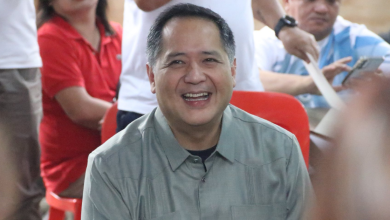
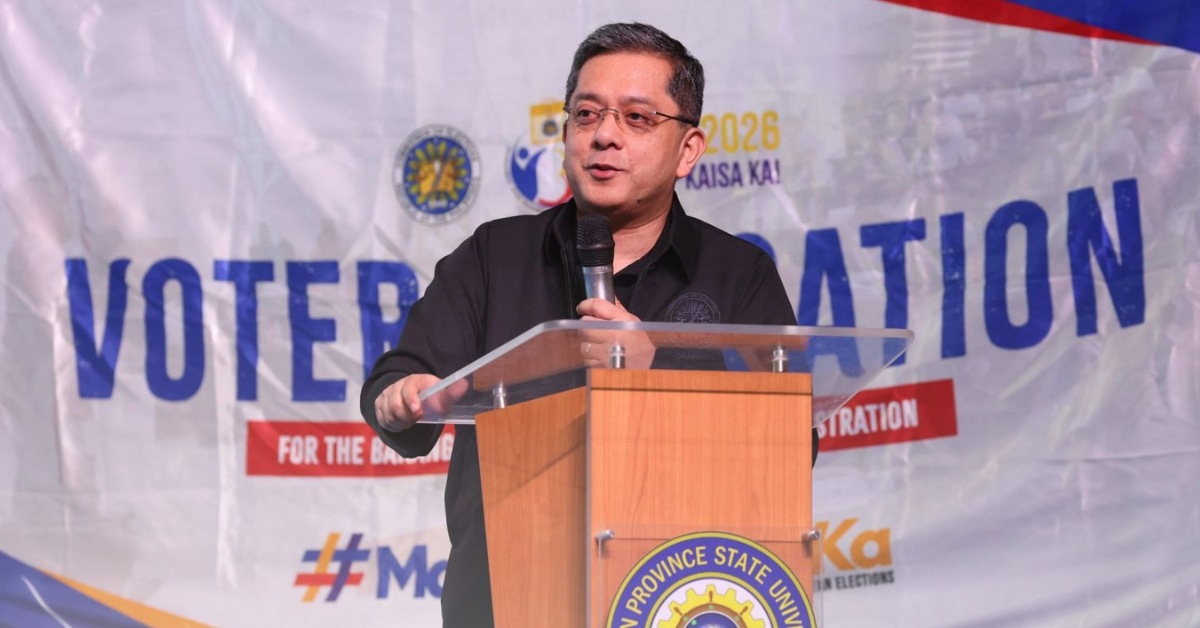
Comelec Chair George Erwin Garcia made the statement during the Senate Committee on Electoral Reforms’ inquiry into several bills seeking to ban political dynasties.
“The anti-political dynasty law cannot be a standalone law,” Garcia told the Senate panel. “There should be other laws that we should touch, amend, [and] correct so that the proposed law will be effective once implemented,” he added.
The poll body reiterated its support for the passage of the anti-dynasty bill but said it would defer to Congress on key provisions, including the degree of consanguinity and affinity to be covered and whether successive or simultaneous elections of relatives would be prohibited.
Garcia also raised concerns over possible inconsistencies in enforcement, particularly whether candidates who violate the law should face cancellation or disqualification of their certificates of candidacy.
“There is a difference when you use cancellation and disqualification and that should be incorporated in the definition of terminologies or the definition of anti-political dynasties,” he said.
Garcia explained that disqualification allows for the substitution of candidates with the same surname, while cancellation—based on material misrepresentation in the certificate of candidacy—does not allow substitution.
He also noted that Section 74 of the Omnibus Election Code does not require candidates to declare whether they belong to a political dynasty, raising the need to amend the provision or enact a separate law to address the issue.
Garcia further called for the inclusion of a penal clause that would classify violations of the anti-dynasty measure as election offenses.
“It is not enough that we are to pass an anti-political dynasty law. May mga babaguhin simply because the present legal regime and structure will run contrary to an anti-political dynasty regime,” he said.
Six anti-dynasty bills are currently pending before the Senate Committee on Electoral Reforms.
In her opening statement, committee chair Senator Risa Hontiveros said the passage of the anti-dynasty bill is long overdue, citing its impact on checks and balances, accountability in public fund management, poverty, and political violence.
Hontiveros said lawmakers would address issues on the degree, scope, timing, and enforcement of the proposed prohibitions during the hearings.
“Our urgent collective duty is to breed life already into this long dormant constitutional mechanism for equal access to public service,” she said.
Last week, the House of Representatives also began hearings on its version of the anti-dynasty bill.
President Ferdinand Marcos Jr. has earlier urged Congress to prioritize the measure, which seeks to implement the 1987 Constitution’s provision prohibiting political dynasties. Malacañang said changes in the country’s political landscape prompted the President to support the proposed legislation.