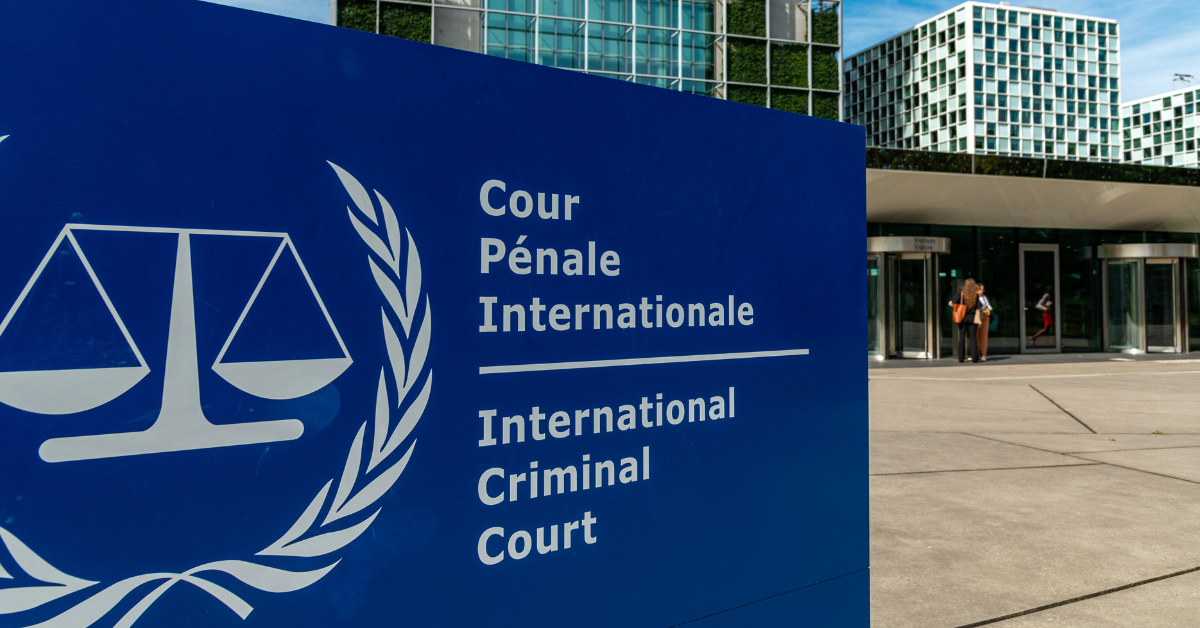
A pre-trial chamber of the International Criminal Court (ICC) has denied the request of former president Rodrigo Duterte’s lawyers to compel the prosecution to reveal additional information about its witnesses, including their willingness to testify if the case proceeds to trial.
In a six-page decision dated Feb. 20, Pre-Trial Chamber (PTC) I said that while the publicity of pre-trial proceedings is a well-established principle in ICC jurisprudence, it is “not absolute” and must be balanced against the need to protect the safety, well-being, and privacy of victims and witnesses, as guaranteed under the Rome Statute.
The ruling addressed the defense’s Feb. 16 request seeking further disclosure of witness information in the spirit of “transparency” and “publicity” ahead of the confirmation of charges hearing set to begin Feb. 23 at the ICC.
Duterte’s defense team, led by lawyer Nicholas Kaufman, argued that they would be restricted to challenging the prosecution’s evidence contained in the redacted version of the document containing charges (DCC) only during closed or private sessions. The defense also maintained that some of the information sought was already publicly known in the Philippines.
However, the chamber sided with the prosecution, finding that lifting redactions in the DCC and pre-confirmation brief which detail three counts of murder against Duterte could jeopardize the security of victims and witnesses.
“Contrary to what the defense implies… the right to a public trial and the principle of publicity of the proceedings does not equate to an absolute right for the public to know all the details of a case or for the defense to present its arguments fully in public session, to the detriment of the integrity of the proceedings and the safety of those involved,” the chamber said.
The three-member PTC I added that even if some of the requested information was allegedly already public in the Philippines, confirming or denying such details in court could heighten risks to the individuals concerned and their families.
The court emphasized that the redactions do not prevent the defense from challenging the reliability and admissibility of the prosecution’s evidence during the hearing.
Invoking the ICC’s Code of Professional Conduct, the chamber reminded Kaufman and the rest of the defense team to respect professional secrecy and confidential information at all times, including during the confirmation proceedings.
“As such, counsel has a duty to ensure that his oral submissions, taken in isolation or holistically, do not directly or indirectly reveal any confidential information, and to request that part of the hearing be held in private session should counsel intend to address such information,” it said.
The decision was among the final rulings issued before the start of the pre-trial hearing, where parties will present their arguments for the court to determine whether there is sufficient basis for the charges to proceed to trial.
The chamber also rejected the defense’s bid to disqualify Filipino lawyers Joel Butuyan and Gilbert Andres from the case. It, however, granted Duterte’s written waiver allowing him to skip the confirmation hearing, citing health concerns and his position questioning the ICC’s jurisdiction over him.
Duterte, who remains detained at the Scheveningen prison complex in The Hague, faces charges of crimes against humanity in connection with the alleged murder and attempted murder of 78 individuals linked to his administration’s anti-drug campaign.