

Like thousands of passengers, Cynthia Banaag (not her real name), an OFW teacher based in California, bought a promo ticket to Manila to be with her family during summer break this July. But she didn’t bother to click YES on the application to purchase a travel insurance because it would entail an additional US$50.
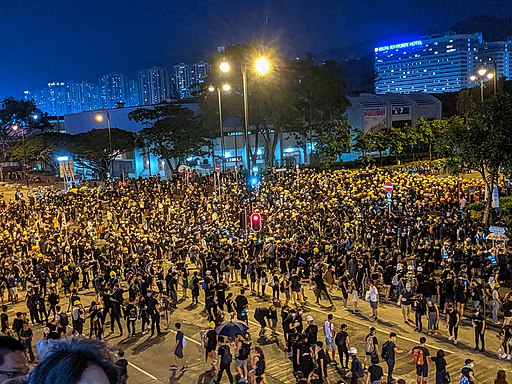
Unfortunately, Cynthia’s connecting flight to Hong Kong was cancelled due to the closure of the Hong Kong airport last week. Pro-democracy protesters entered the airport.
Cynthia needed to return to LA as soon as possible as classes resume in the US this week. Her airline informed her that since it was ‘force majeure,’ she is only entitled to re-book her flight days later for free. But when she tried to re-book for the only two available flights that week, she was told the flight is already fully booked. So, she had no choice but to buy another ticket from a different airline for a direct flight to LA costing her US$1,500 — which is twice the price of her original ticket worth US$880.
Upon her return to LA, Cynthia consulted her travel agency if she can refund at least half of the original ticket. She was told that she can only do this if she bought a travel insurance.
Now, she knows, that had she clicked YES to travel insurance, she would have had claimed 100 percent of the ticket purchased which is applicable if the passenger’s flight was cancelled “due to unforeseen circumstances.”
Travel insurance is being offered by airlines or other non-life travel insurance companies for all travellers going overseas. An insurer would guarantee travellers buying it some form of compensation for a specified loss, illness, accident, damage, interruption, and others during their trip.
Not all travel insurance companies are the same though. And the cost varies from the length of travel, countries to visit and the amount of coverage. In the Philippines, it costs as low as P500 to as high as P3,000 per single trip.
Aside from flight cancellations, coverage of travel insurance includes some if not all of the ff:
– Compensation for flight delay
– Missed connecting flight
– Baggage delay
– Damage to baggage
– Loss of baggage
– Loss of personal money
– Loss of travel documents
– Hijack
– Repatriation of mortal remains
– Funeral and burial expenses
– Personal accident
– Personal liability
– Land vehicle rental excess protection
Some travel insurance also have medical coverage, too — either included in the package or as a standalone benefit:
– In-patient and Out-Patient care
– Emergency dental treatment
– Emergency room availment and in-patient reimbursement for pre-existing conditions
– Emergency evacuation
– Hospital income
Seasoned travellers would always advise to include medical coverage because in most countries, doctor’s fees and other medical costs are way too expensive.
When choosing and buying travel insurance, read the fine print and know what you need.
One might be cheaper, but with it comes a slower and more painful claims process.
Also be mindful about the exclusions in the coverage. You may have purchased a medical benefits but pre-existing illnesses won’t cover it.
Some would cover “unforeseen circumstances” of flight cancellations such as Hong Kong street protests, but since a lot of governments have already issued a travel advisory, insurance companies would no longer cover it.
Travelling is one of the most exhilarating experience for many. For OFWs, it would mean going back to your loved ones or returning back to work to earn your living. No one prays for the unexpected to happen. But yes, sometimes they do happen. It you cannot stop it or avoid, might as well buy a little protection.


