
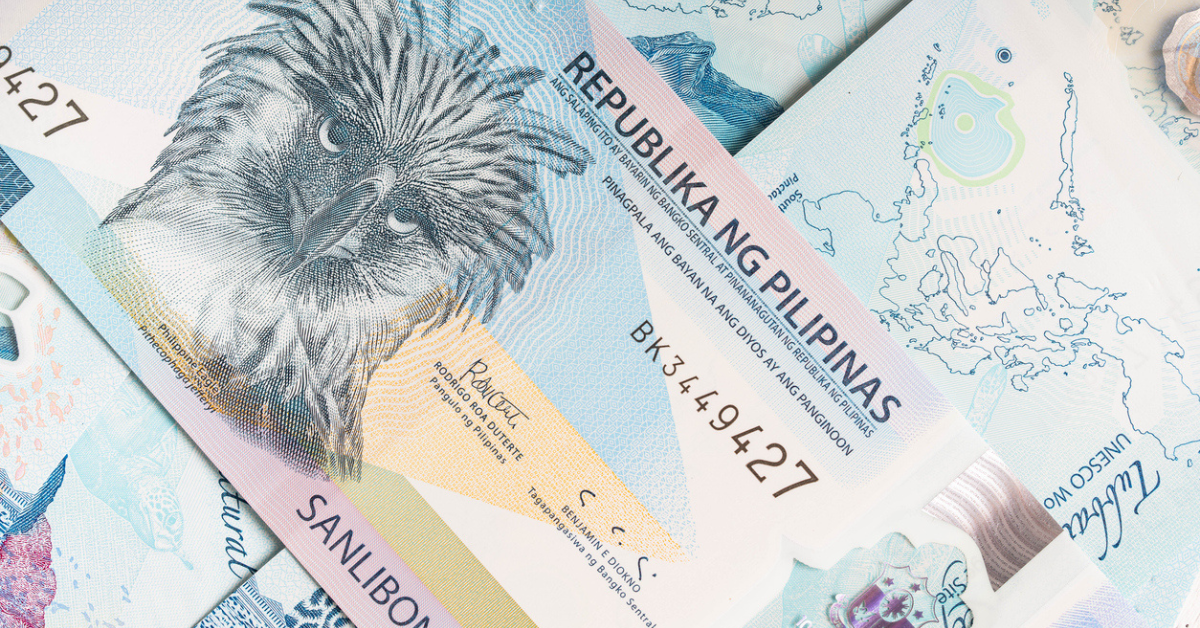
The Philippine peso depreciated against the US dollar, slipping back to the P60:$1 level following the government’s declaration of a national energy emergency amid escalating tensions in the Middle East.
The local currency closed at P60.10:$1, weakening by 15 centavos from Tuesday’s P59.95:$1 finish. During the day, it traded as low as P60.133:$1 and as high as P59.888:$1.
According to Michael Ricafort, the peso’s decline was driven by concerns over rising fuel prices and the potential impact on inflation, following the government’s emergency measures to secure energy supply.
Under Executive Order No. 110, President Ferdinand Marcos Jr. ordered the implementation of a Unified Package for Livelihoods, Industry, Food, and Transport (UPLIFT) to cushion the impact on key sectors.
The directive activates a whole-of-government response aimed at ensuring energy supply stability, while extending support to transport, agriculture, and micro, small, and medium enterprises (MSMEs) affected by global oil disruptions.
Earlier, Department of Economy, Planning and Development Secretary Arsenio Balisacan warned that inflation could surge to double-digit levels under a worst-case scenario. This includes a projected 176% spike in diesel prices to as high as P162.50 per liter by May if global crude oil prices reach $200 per barrel.
Latest data showed inflation at 2.4% in February, the fastest pace in 13 months, driven largely by higher costs of food, non-alcoholic beverages, and housing and utilities.