Malacañang assured the public that Ferdinand Marcos Jr. remains in control of the situation amid rising global oil prices linked to tensions in the Middle East, saying there is no need to declare a state of national emergency at this time.
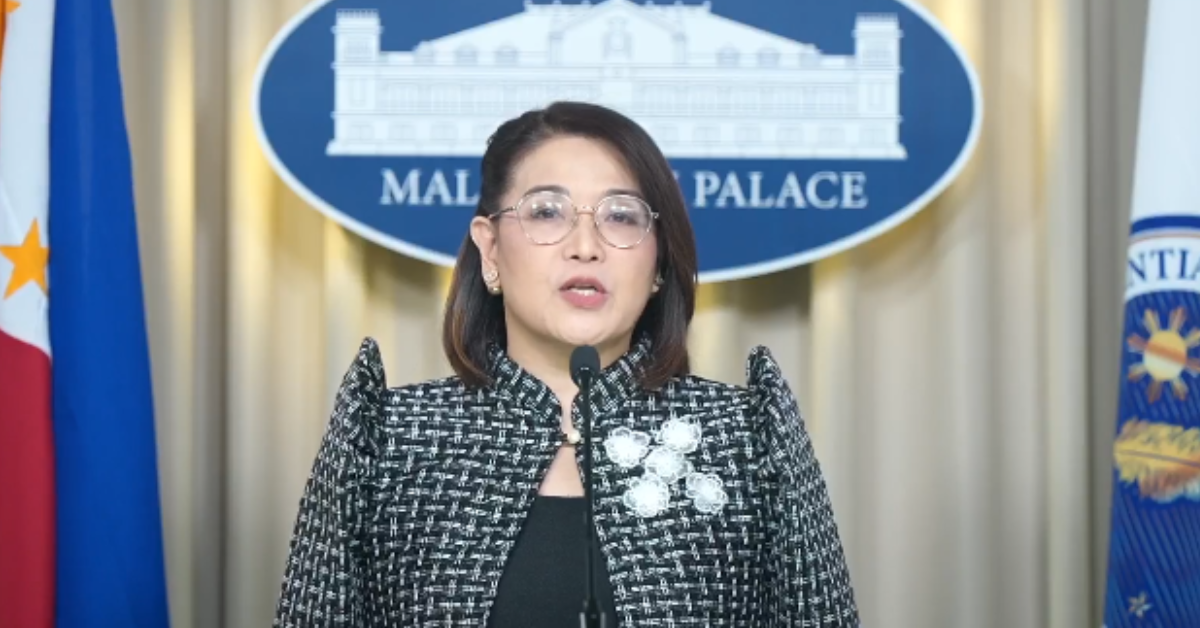
Palace press officer Claire Castro said the government is actively addressing the impact through subsidies, financial aid, and regulatory measures.
“The president and the government are still in control of the situation,” Castro said during a press briefing.
She made the statement in response to calls from lawmakers, including Raymond Mendoza, who urged the administration to consider emergency powers to address soaring fuel prices.
Castro downplayed the need for such measures, warning against fear-mongering that could cause unnecessary public anxiety.
The government has already rolled out assistance programs, including fuel subsidies and cash aid for transport workers, farmers, and fisherfolk. Around 139,000 tricycle drivers in Metro Manila have begun receiving financial assistance, with more beneficiaries expected nationwide.
Other interventions include reduced aviation fees to help stabilize airfare prices and continued support for food and agricultural supply.
Castro also noted that Congress is working on legislation that could allow the temporary reduction or suspension of excise taxes on fuel to ease the burden on consumers.
Despite this, labor groups continue to push for stronger intervention, arguing that the global crisis is already affecting Filipino households.
Malacañang, however, maintained that current measures and coordination with oil companies remain sufficient.
“At this point, we are not in that kind of situation,” Castro said.