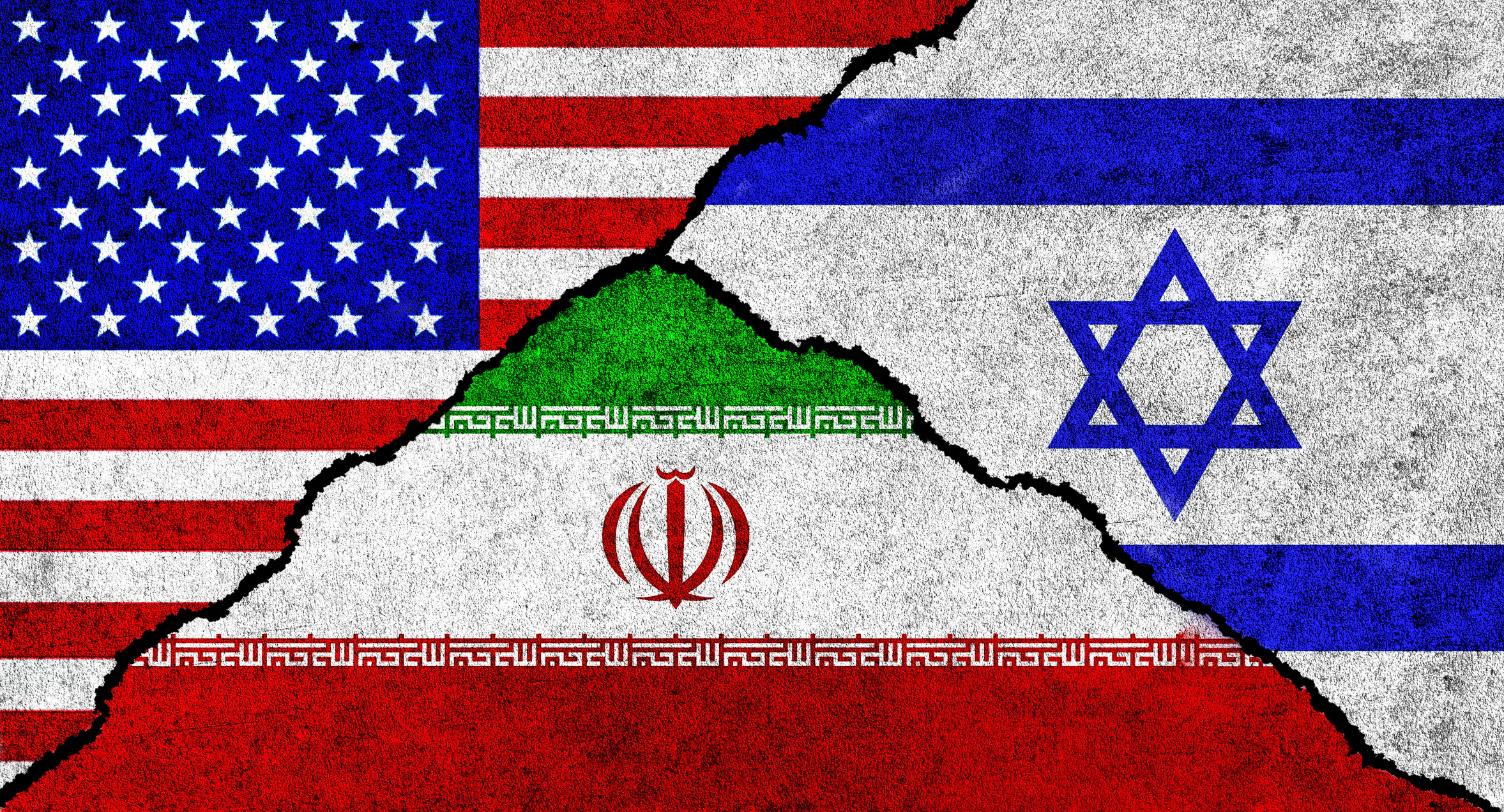
Iran’s Revolutionary Guards warned that no oil would be allowed to leave the Middle East if military attacks by the United States and Israel continue, escalating tensions in the ongoing conflict.
The statement drew a strong response from Donald Trump, who warned that the United States would respond with far greater force if Iran attempts to block oil shipments through the strategic Strait of Hormuz—a key route that carries about one-fifth of the world’s oil supply.
Trump said the US had already inflicted significant damage on Iran’s military capabilities but warned that any attempt to disrupt global oil flow would trigger a much stronger response.
Iran’s Islamic Revolutionary Guards Corps said the country would determine when the war ends, insisting it would prevent oil exports from the region if attacks continue.
Meanwhile, tensions have already disrupted shipping in the Strait of Hormuz, with oil tankers unable to sail for more than a week and some producers halting operations as storage facilities fill up.
Iran’s UN ambassador also reported that more than 1,300 Iranian civilians have been killed and thousands wounded since the United States and Israel launched air and missile strikes across Iran in late February.
Markets reacted sharply to the escalating conflict. Oil prices initially surged to their highest level since 2022 before dropping again after Trump suggested the war could end sooner than expected.
The conflict has raised global concerns about energy supply, regional stability, and the risk of wider military escalation across the Middle East.