Restaurants, cafes, eateries, and fast-food outlets recorded a 4.1-percent inflation in January 2026, up from 2.6 percent in December 2025, making the sector one of the main drivers of overall price increases, the Philippine Statistics Authority (PSA) reported.
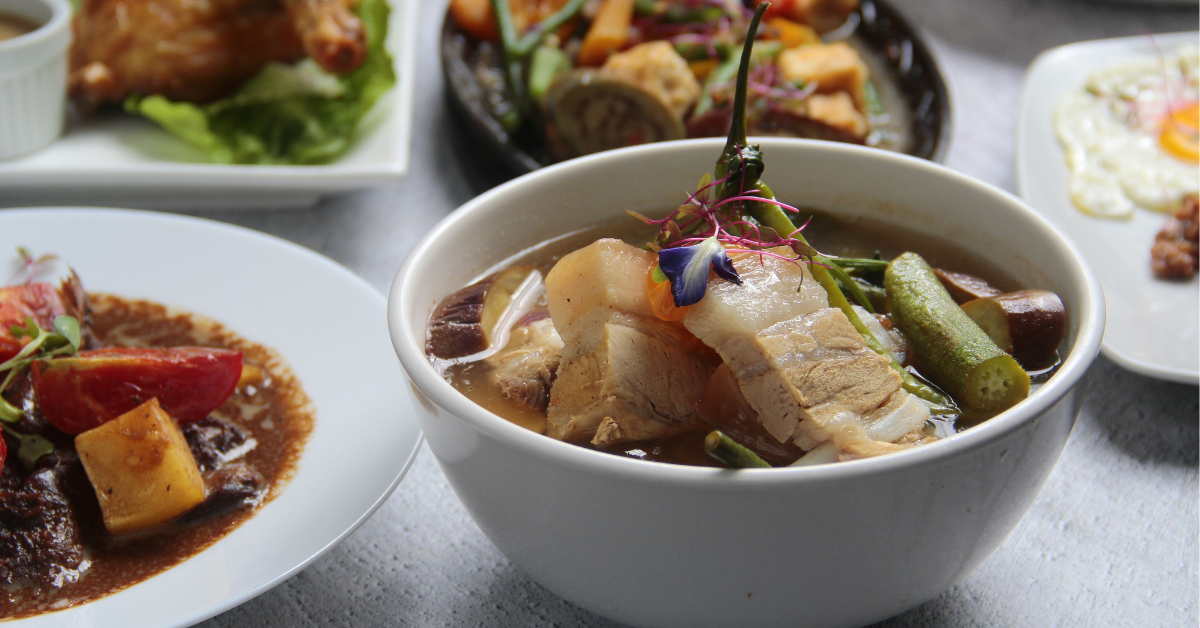
Usec. Dennis Mapa, national statistician and civil registrar general, said the rise was largely driven by higher prices for cooked meals, especially meat-based dishes like adobo and pork sinigang.
“Karamihan dito ay yung mga binibili na pagkain na luto na sa cafeterias at karinderya. May malalaking pagtaas talaga para doon sa meals na kinokonsumo,” Mapa said.
He added that typical set meals saw significant price jumps. “For example, ang lunch na sinigang na baboy with rice may increase na mga 10 percent. Yung adobo na pork with rice and softdrinks tumaas na ng 14 percent,” he noted.
Mapa explained that while pork prices themselves remained relatively stable, increases in other costs such as raw materials, energy, rent, and wages likely contributed to the higher meal prices.
“Yung mga binibili ng ating kababayan na set meal sa karinderya, may increases na more than 10 percent. Nakikita rin namin na tumataas yung raw materials, lalo na karne ng baboy, pati na rin energy at renta ng lugar. Plus, maybe yung wages,” he said.