United Arab Emirates marked a major milestone in cultural preservation as the UNESCO World Heritage Committee officially inscribed Sharjah’s Faya Palaeolandscape on the World Heritage List.
Recognised under the Cultural Landscape category, Faya is the only Arab site added to the list this year and the second from the UAE, following the inscription of Al Ain’s cultural sites in 2011.
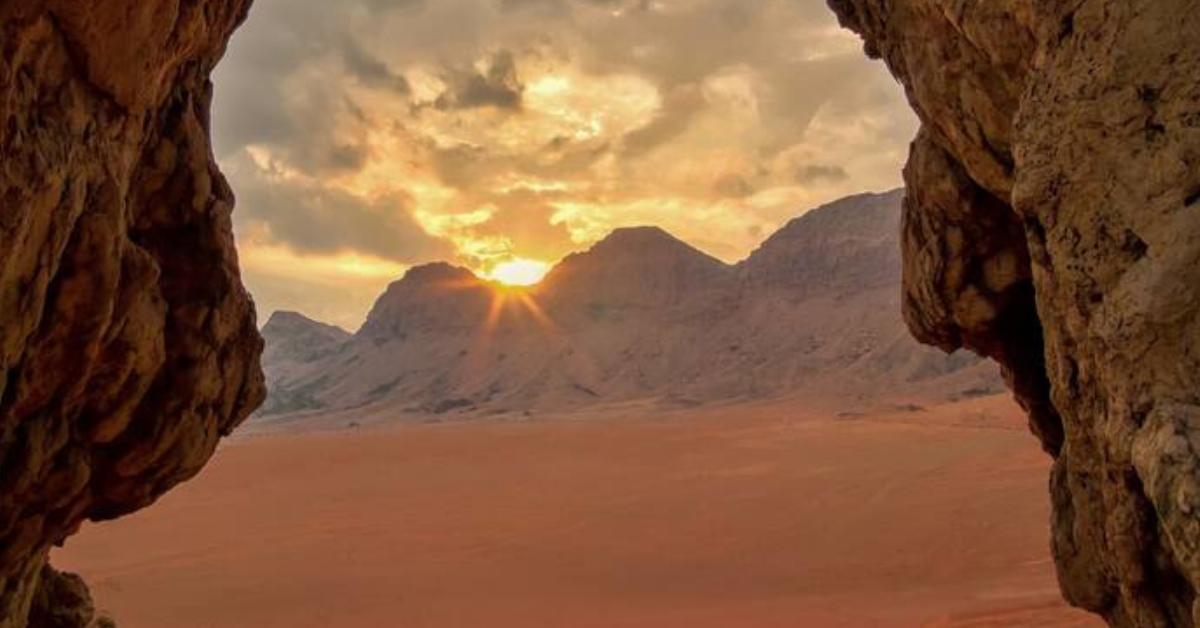
Located in Sharjah’s central region, Faya Palaeolandscape contains one of the oldest and most continuous records of early human habitation in arid environments, dating back over 200,000 years. It is also the first desert Paleolithic site to be included on the World Heritage List.
The site provides significant evidence of early human settlement and migration in Southeast Arabia. The listing reflects over three decades of archaeological research led by the Sharjah Archaeology Authority, in partnership with institutions including the University of Tübingen and Oxford Brookes University.
Sharjah submitted the nomination dossier in February 2024 after 12 years of preparation. The site passed a rigorous evaluation process based on UNESCO’s criteria for Outstanding Universal Value.
Sheikha Bodour bint Sultan Al Qasimi, who served as the official ambassador of the nomination file, said the recognition underscores Sharjah’s role in early human history and the Arabian Peninsula’s significance in the story of human migration out of Africa.
“The stone tools found at Faya are testimony to the ingenuity of our ancestors and the deep roots of cultural tradition in our region,” she said, affirming Sharjah’s continued commitment to protecting the site.
The UAE and Sharjah have launched a conservation plan covering 2024 to 2030, focusing on heritage protection, research, education, and sustainable tourism. Faya is also a key location under UNESCO’s Human Evolution, Adaptations, Dispersals and Social Developments (HEADS) Programme.
The addition of Faya brings the total number of UNESCO World Heritage Sites to 1,226 across 168 countries, including 955 cultural, 231 natural, and 40 mixed sites.
The Arab region now hosts 96 sites in 18 countries.