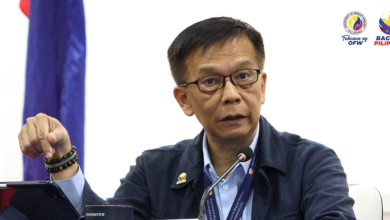
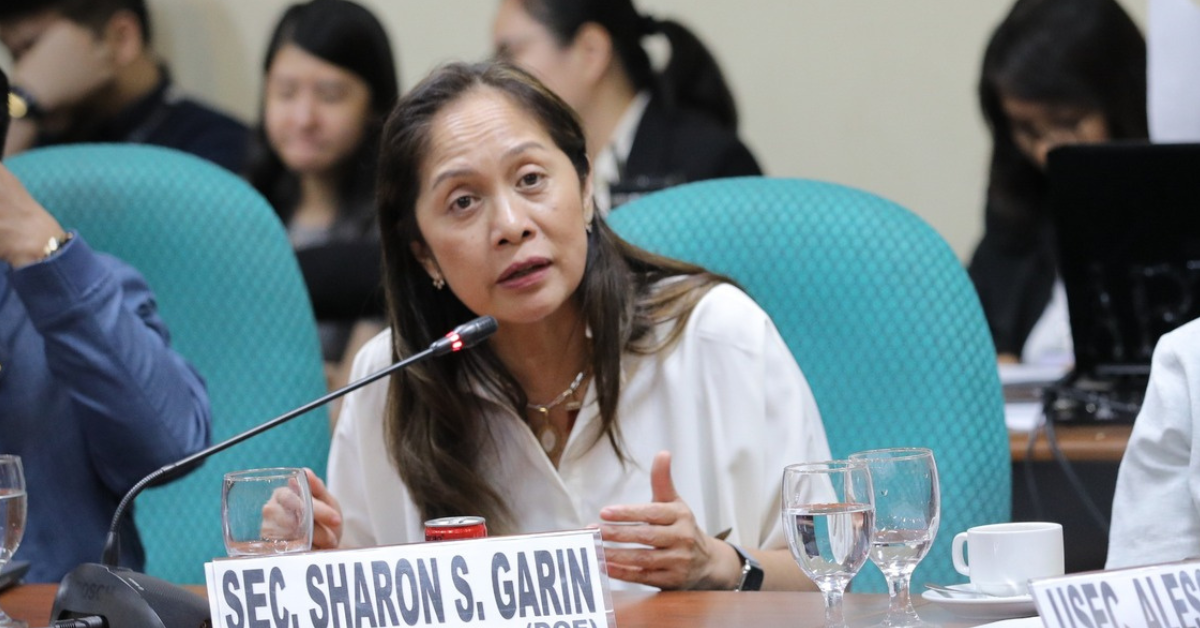
Energy Secretary Sharon Garin warned that the Philippines could face a severe fuel shortage in the coming months if tensions in the Middle East escalate further, particularly if key routes such as the Strait of Hormuz are disrupted.
Speaking during the Senate’s Proactive Response and Oversight for Timely and Effective Crisis Strategy (PROTECT) hearing, Senator Sherwin Gatchalian raised concerns over contingency plans in the event of a full closure of the vital corridor.
“The worst case is we run dry. This country runs dry,” Garin said, noting that the government has roughly one to one-and-a-half months to prepare for such a scenario.
The Energy chief said the Philippines is now exploring alternative fuel sources, including potential suppliers from the United States and India, to cushion the impact of possible supply disruptions.
Earlier, Garin assured the public that the country maintains sufficient fuel reserves, with existing stockpiles and incoming shipments projected to last up to 50 days. She added that commitments from oil companies could extend gasoline supply by 11 days and diesel by an additional eight days.
“After that, we have to work again for the next batch. We keep on working—tuloy-tuloy ang trabaho na ito,” she said.
Despite the supply concerns, Garin emphasized that soaring fuel prices remain the more immediate threat.
“I do believe that it will not happen… The worst case is the prices will be really high, and we need to be willing to pay for that,” she added.
Data from the Department of Energy showed sharp increases in fuel prices, with gasoline rising by P8 to P12 per liter. Pump prices now range from P87.69 to P112.40 per liter for RON97, P83.10 to P109.78 for RON95, and P82.60 to P102.50 for RON91.
Diesel prices surged by P15 to P18 per liter, with current prices ranging from P107 to P134.30 per liter, while diesel plus reached up to P144.20. Kerosene prices also climbed by P12 to P22 per liter, now ranging between P111.99 and P165.79.
The hearing also saw tensions between lawmakers and energy officials. Senator Loren Legarda criticized Garin for failing to attend the first half of the session, questioning the agency’s urgency in addressing the crisis.
“Kapag budget hearings, present kayo kahit overnight. Pero kapag crisis action plan, marami kayong dahilan,” Legarda said, warning that the Senate would not tolerate such lapses.
Meanwhile, Energy Undersecretary Alessandro Sales said the Philippine National Oil Company (PNOC) could not yet utilize its supplemental budget without congressional approval. With Congress currently on break and set to resume on May 4, lawmakers raised concerns over potential delays in mobilizing emergency funds.
Legarda countered that the Senate could have acted sooner had the Department of Energy flagged the issue earlier, calling the situation “unfair” and raising concerns over the agency’s preparedness.