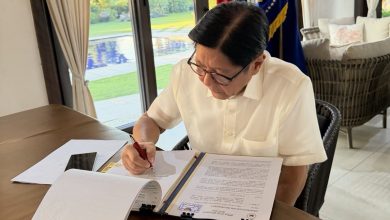
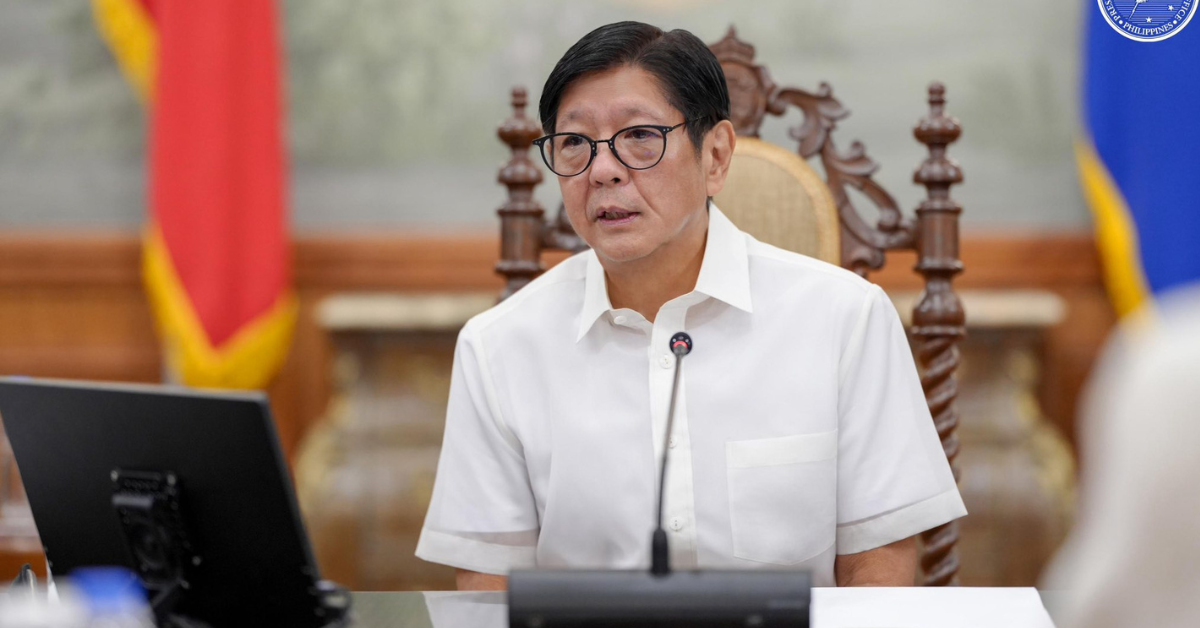
President Ferdinand Marcos Jr. said the Philippine government will not aggressively defend the peso, acknowledging limits in countering global market forces pushing the US dollar higher.
In an interview, Marcos said it would be “futile” to spend large portions of foreign reserves to stabilize the currency, noting that the dollar’s movement is largely driven by global conditions.
The peso has recently weakened past the ₱60-per-dollar level for the first time, making it one of Asia’s hardest-hit currencies.
The depreciation has been fueled by rising oil prices, with the Philippines heavily reliant on imported fuel from the Middle East.
Marcos said the government is focusing on cushioning the impact on lower- and middle-income households through subsidies and other support measures.
He also acknowledged that economic growth targets may need to be revised due to the ongoing conflict and its impact on energy prices and global markets.
Despite these challenges, the Philippines maintains strong foreign exchange reserves, which could still be used to manage excessive volatility.
The government is also working to diversify energy sources and implement measures to ease the burden on consumers, even as prolonged instability could affect both businesses and households.
 Staff Report7 hours ago