
Air defense systems across the Gulf successfully intercepted incoming missiles and drones, preventing direct strikes on cities, airports, and other critical infrastructure.
Yet at least one to two persons have been killed and more than 30 others injured across GCC states after fragments from intercepted projectiles fell back to the ground, striking areas below.
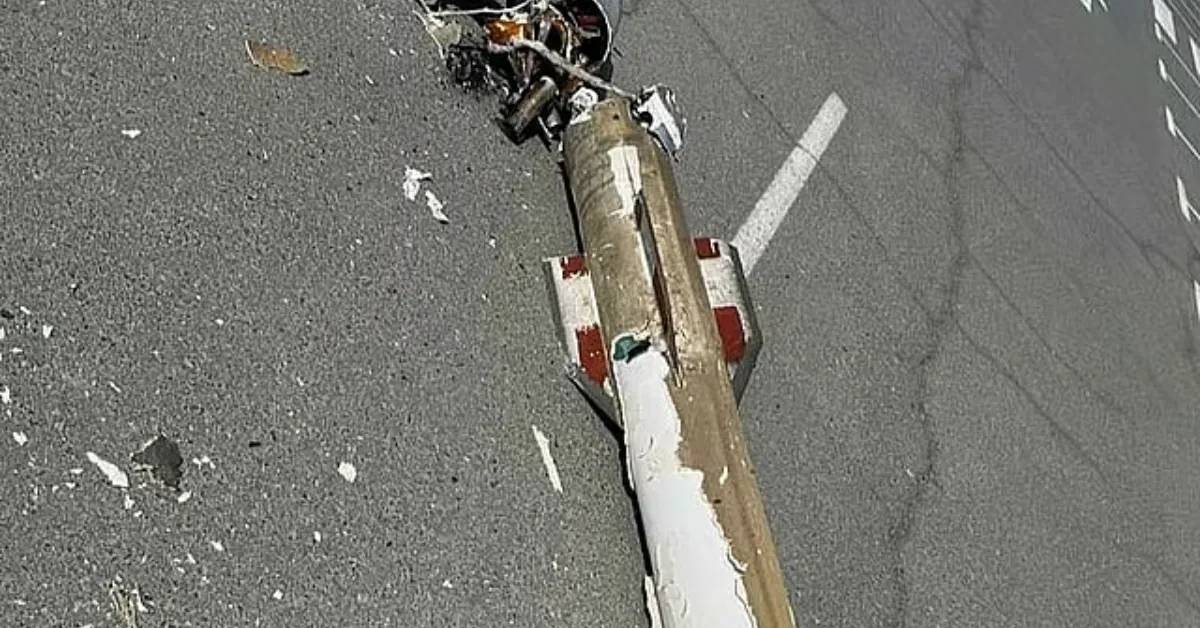
Authorities say the casualties were caused not by direct impacts, but by debris from intercepted missiles — highlighting a lesser-known risk that can follow successful air defense operations.
Air defenses were activated across several countries as regional tensions escalated. The developments are being closely watched by overseas Filipinos, as the Gulf region is home to more than 3 million Filipinos, including approximately 1 million in the United Arab Emirates and another 1 million 900,000 in Saudi Arabia, with significant communities in Qatar, Kuwait, and Bahrain.
Military and defense analysts note that when interceptor systems destroy incoming threats at high altitude, fragments can scatter across wide areas below, creating secondary hazards even when the original threat is neutralized.
Modern air defense systems such as THAAD and Patriot batteries are designed to prevent catastrophic impacts on populated areas and critical infrastructure. Officials say these interceptions likely prevented far greater casualties and destruction.
Where casualties were reported
Across the Gulf, casualties were largely linked to falling debris from intercepted missiles rather than direct impacts. In the United Arab Emirates, air defense systems intercepted multiple attack waves over Abu Dhabi. Falling debris caused at least one confirmed fatality, with other reports indicating up to two deaths and several injuries, including incidents near Zayed International Airport.
In Qatar, interceptions over Doha protected Al Udeid Air Base, but shrapnel and debris injured at least eight people. In Kuwait, fragments from intercepted missiles and drones wounded three soldiers at Ali Al Salem Air Base, while debris near Kuwait International Airport injured 12 civilians and caused property damage.
Missile interceptions were also reported over Saudi Arabia, particularly in Riyadh and the Eastern Province, where authorities said debris largely fell in sparsely populated areas and no mass casualties were recorded. In Bahrain and Iraq, military facilities were among reported targets, and damage assessments remain ongoing.
Why debris caused injuries
Experts explain that while missile defense systems prevent direct impacts, interceptions can produce falling fragments that pose risks on the ground.
When a missile is destroyed mid-air: metal casing breaks apart, engine components separate, shrapnel disperses, debris falls back to earth
This phenomenon can endanger people and property beneath interception zones.
Defense systems credited with preventing wider casualties
Security officials across the region emphasized that successful interceptions prevented far greater damage and loss of life.
Residents are advised to remain indoors during alerts, avoid approaching debris, and follow official safety advisories.