
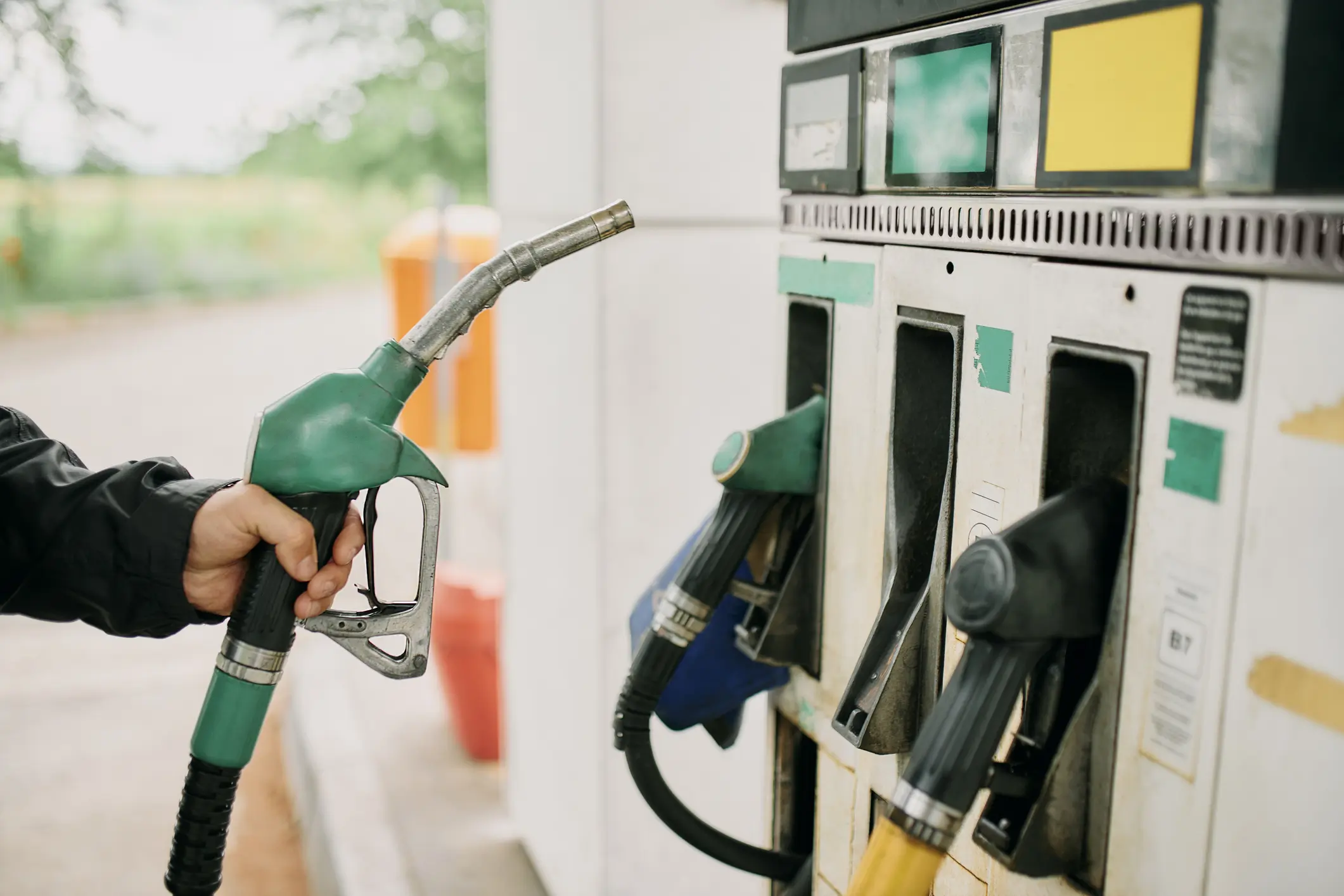
Marikina City 2nd District Rep. Miro Quimbo has filed a measure seeking to authorize the President to suspend or reduce excise taxes on petroleum products during national or global economic emergencies.
Quimbo, chair of the House ways and means panel, filed House Bill 8257 shortly after Ferdinand Marcos Jr. said he would consult congressional leaders about granting him the authority to lower fuel excise taxes if Dubai crude prices exceed $80 per barrel amid ongoing airstrikes in the Middle East.
The proposed measure seeks to amend Section 148 of the 1997 National Internal Revenue Code (NIRC), allowing the President, upon the recommendation of the Finance Secretary, to suspend fuel excise taxes under specific conditions.
Under the bill, the President may suspend or reduce excise taxes if:
• The average Dubai crude oil price reaches or exceeds $80 per barrel for at least three consecutive months prior to the issuance of the suspension order; or
• A state of national emergency or calamity is declared, resulting in extraordinary increases in domestic pump prices, as certified by the Energy Secretary.
The suspension may apply to specific petroleum products and may be implemented either as a full suspension or partial reduction, depending on prevailing conditions.
The proposed authority would be effective for up to six months, unless extended or terminated earlier by Congress through a joint resolution. However, the total suspension period must not exceed one calendar year.
The bill also states that the suspension or reduction will be lifted once the conditions justifying it no longer exist, and that excise tax rates will automatically be reinstated upon the expiration of the suspension period without the need for further legislative or executive action.
In addition, the President, through the Finance Secretary, would be required to submit a report to Congress within 15 days from the implementation of the suspension and every month thereafter.
The report must detail the factual basis for the move, the estimated foregone revenues, and the expected impact on inflation, fuel prices, and overall economic activity.