
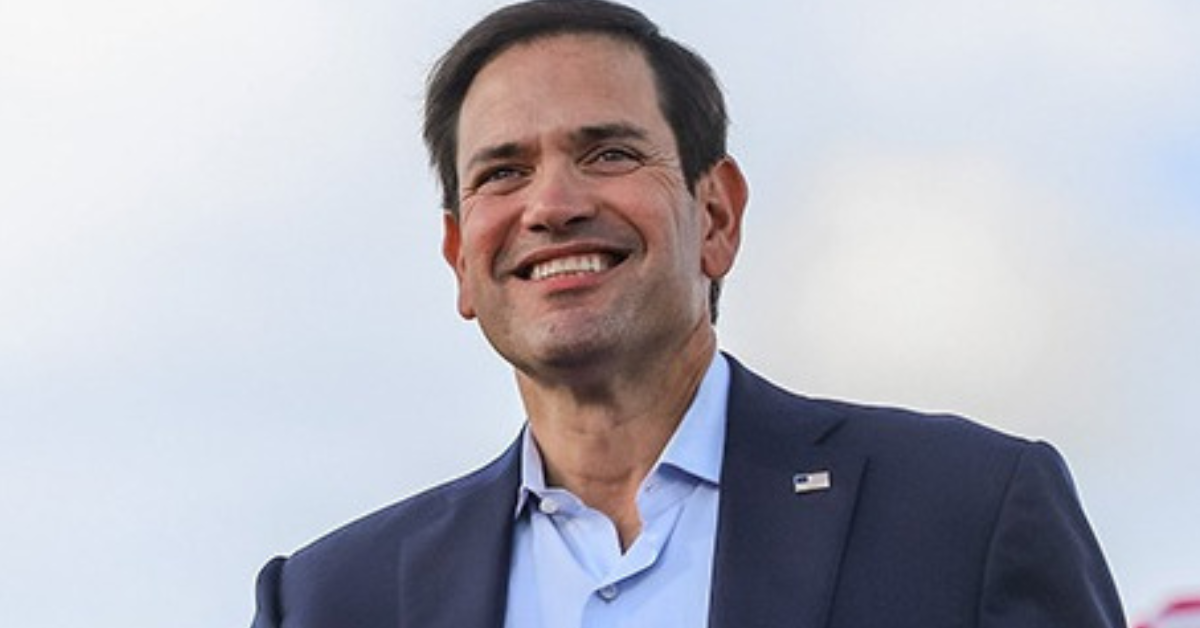
US Secretary of State Marco Rubio said the initial US-Israeli offensive against Iran, dubbed Operation Epic Fury, has concluded after achieving its objectives, as Washington signals preference for a diplomatic resolution.
“We would prefer the path of peace. What the president, Donald Trump, would prefer is a deal,” Rubio told reporters.
His remarks came amid renewed tensions in the Strait of Hormuz, where a series of attacks has raised concerns over the stability of the ceasefire between the US and Iran. The US said it is working to guide stranded vessels through the largely restricted waterway.
Tehran has yet to respond directly to Rubio’s statement, but Iran’s parliamentary speaker Mohammad Ghalibaf warned that the current situation is “intolerable” for the US, adding that Iran is “just getting started.” He also accused the US and its allies of jeopardizing maritime security and energy transit through alleged ceasefire violations and blockades.
Late Tuesday, the UK Maritime Trade Operations reported that a cargo vessel was struck by an “unknown projectile” in the Strait of Hormuz, though details remain limited.
Earlier, the United Arab Emirates said its air defenses intercepted Iranian missiles and drones for a second consecutive day, calling a reported strike on an oil port in Fujairah a “dangerous escalation.” Iran denied launching attacks, saying it would have “announced it firmly and clearly” if it had done so.
Operation Epic Fury began on February 28 with coordinated US and Israeli airstrikes on Iran. Tehran retaliated by blocking the Strait of Hormuz, a key route that carries around 20% of global oil and liquefied natural gas supplies.
A ceasefire announced in early April led to a halt in Iranian drone and missile strikes on Gulf states, but shipping through the strait remains limited. The US has also imposed restrictions on Iranian ports.
On Monday, Washington said it targeted seven Iranian fast boats in the strait, while Iran claimed it fired warning shots at a US vessel, both sides denied each other’s assertions. Two commercial ships reported attacks, with one successfully exiting the strait under US military escort.
Speaking at the White House, Rubio said the strikes had inflicted “generational destruction” on Iran’s economy, urging its leadership to reconsider its course.
US Defense Secretary Pete Hegseth said the ceasefire “certainly holds” but remains under close watch. Meanwhile, Joint Chiefs Chairman Dan Caine noted that while Iran has launched 10 attacks on US forces since the ceasefire began, these remain below the threshold for renewed large-scale conflict.
Trump, for his part, said a negotiated settlement with Iran remains possible but declined to specify what would constitute a ceasefire breach.
US officials’ statements suggest Washington is seeking to avoid a return to full-scale conflict that could disrupt global markets and drive up energy prices.
Trump also said he is in talks with Japan on reopening the strait and expects to discuss the issue with Chinese President Xi Jinping during an upcoming visit to China.