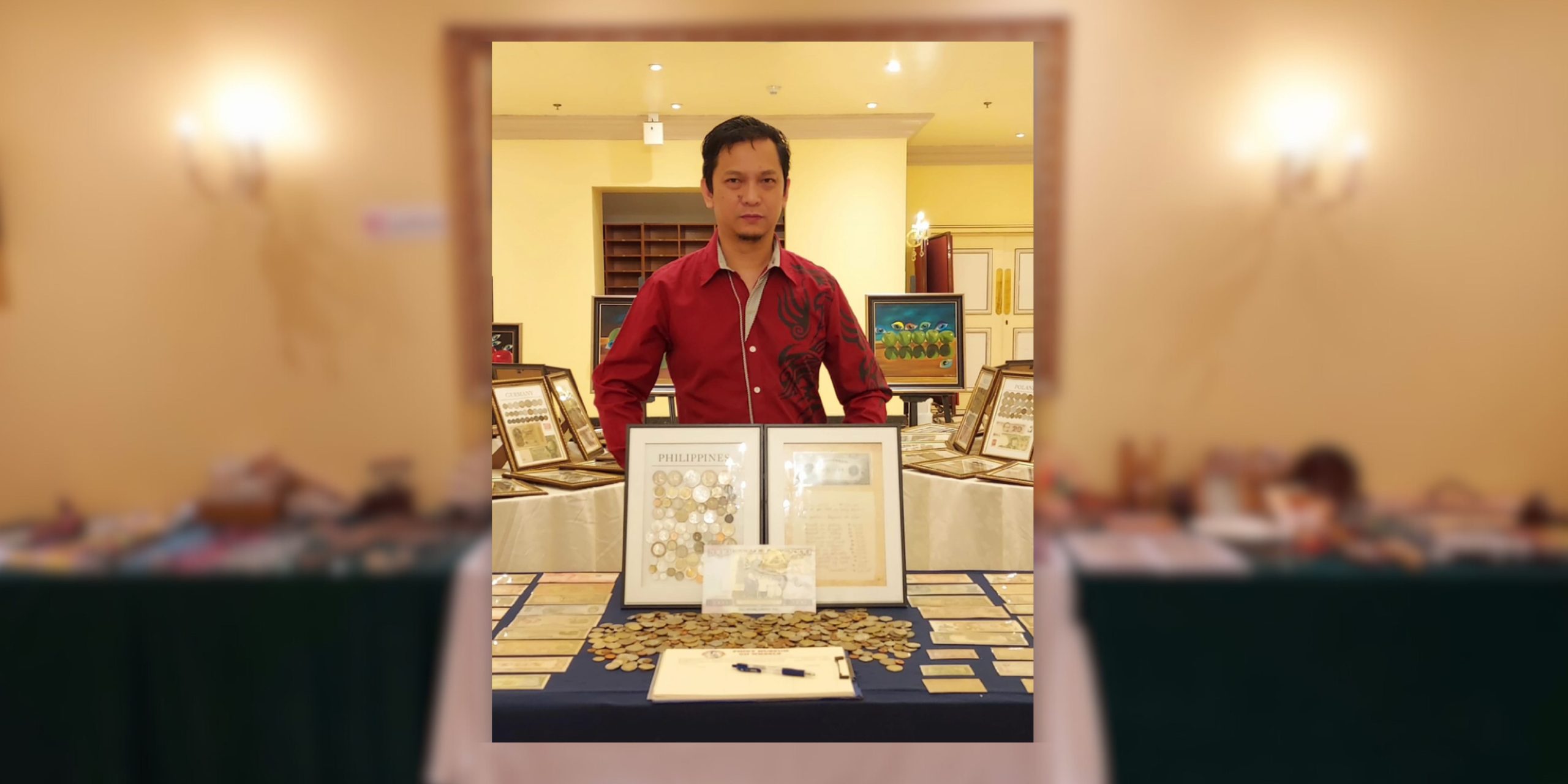
Born August 22, 1978, Brian “Ibrahim” Asinas Mendoza, the founder of Pinoy Museum on Wheels and an OFW in Saudi Arabia for 22 years, shared with The Filipino Times the story behind his initiative of opening a mobile museum – 40 years later and a day after his birthday.
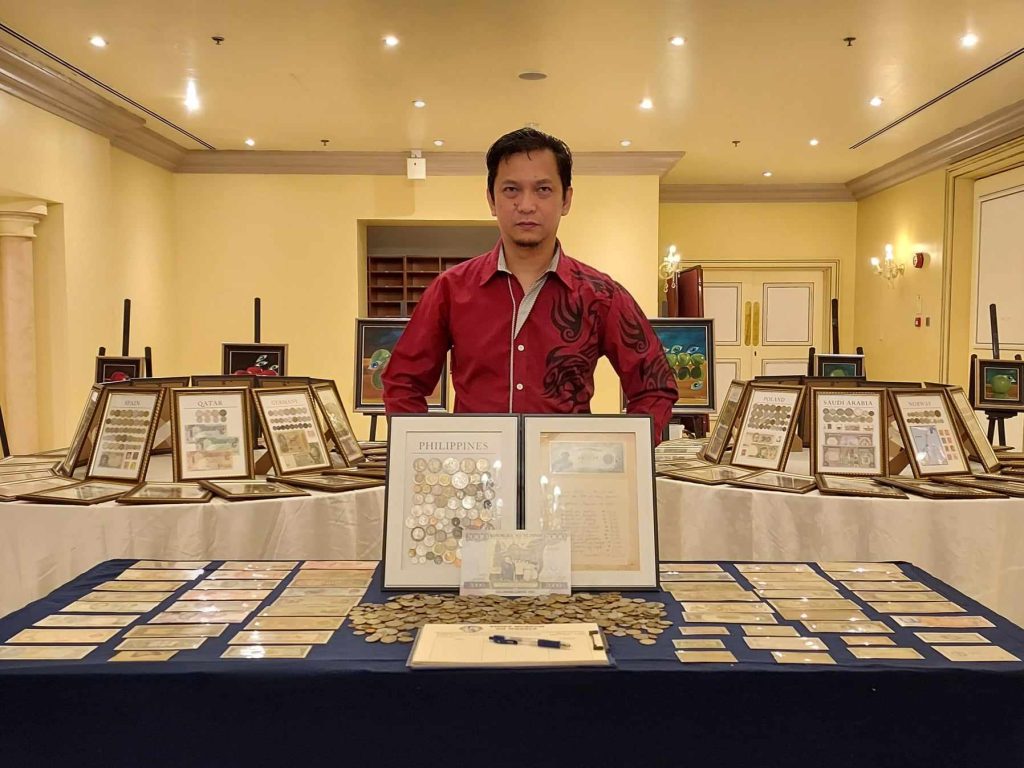
The Pinoy Museum on Wheels, established on August 23, 2018, is a mobile museum with the goal of recollecting the history and traditions of the Philippines. Its mission is to evoke nostalgia, promote the rich culture, and showcase the arts of the country.
Inspired by the ‘Embassy on Wheels’ which frequently visited Filipino communities in Saudi Arabia to provide government services, Mendoza came up with the PMOW that allows him to travel to different places to showcase his collection.
Aside from that, Mendoza also shared that another inspiration came from a fellow collector, Albert Vincent Funtanares Barretto.. After attending an exhibit, he recognized the importance of extending showcases to various locations, enabling a broader audience to engage with and appreciate it. Mendoza, who has been an avid collector since his high school days saw how huge his collection was and got determined to not leave it overlooked or underappreciated.
“It is not good to just keep it in my cabinet or under the bed. It must be shown to the public, especially to the Filipino people for educational purposes,” he said.
“For those reasons, I came up with an idea to launch the Pinoy Museum on Wheels,” he added.
The journey of launching PMOW was not easy. Mendoza shared that one of the problems he encountered, especially during the planning stage, was the budget.
“I spent all my savings to start this advocacy and clear up to my mind that there is no profit to this project,” he said.
He also shared that he had a hard time finding volunteers and enthusiasts to join the project.
“Since this is an advocacy, it is hard to find some volunteers or enthusiasts that have the same interest that I have,” he said.
When asked about the challenges that he faced while collecting the items, he answered two things: (1) the cost of the items; and (2) transportation of the collectible items.
“Most of the items are too costly, especially the antiques and rare items. I need to save money and do a lot of research before I purchase the expensive collections,” he said regarding the cost of the items.
“It is hard for me to bring bulky and heavy collectible items from the Philippines to Saudi Arabia for exhibitions,” he added regarding the transportation of the items.
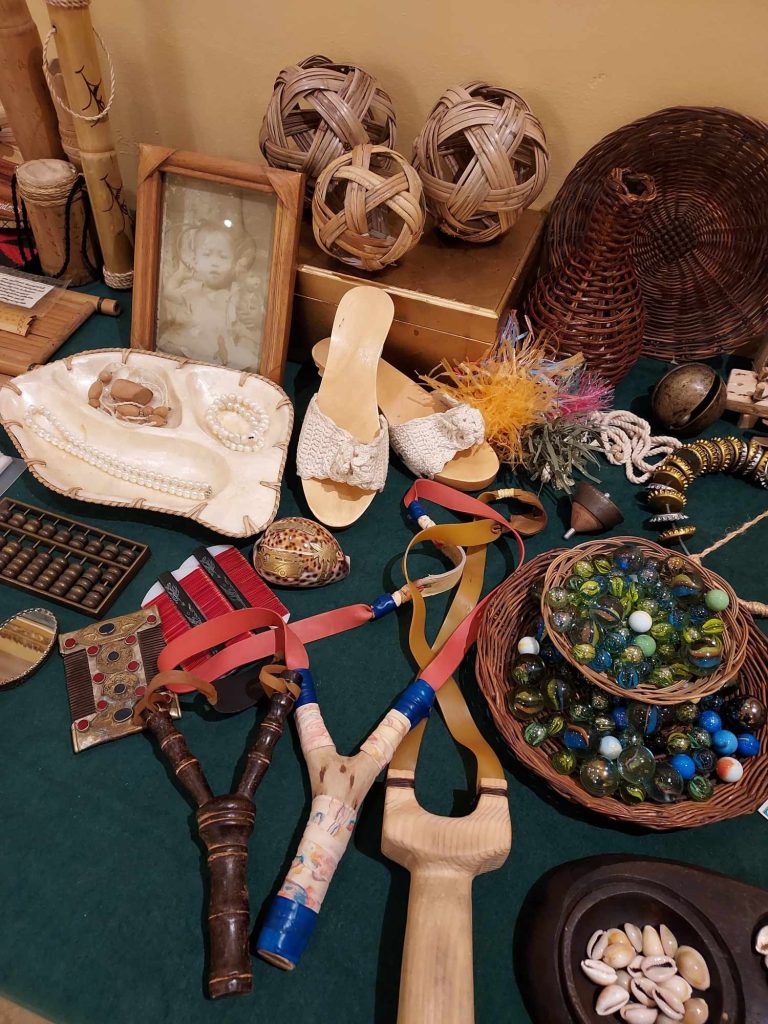
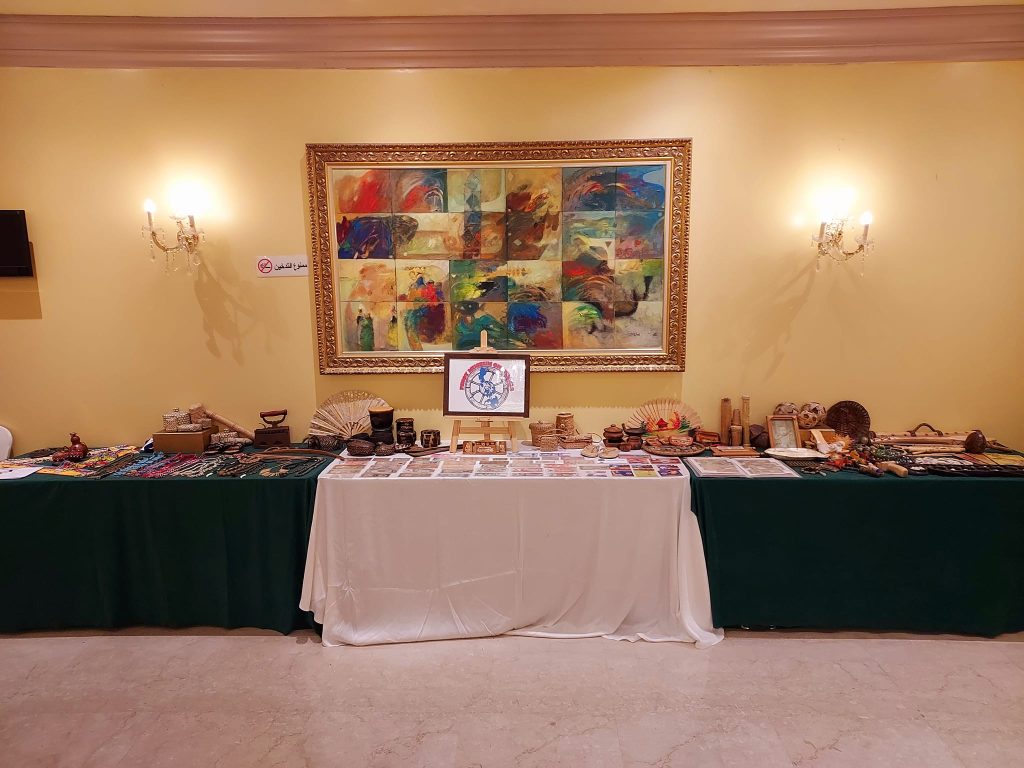
The Pinoy Museum on Wheels showcases vintage coins, banknotes, stamps, postcards, Philippines’ indigenous arts and accessories, artifacts, household items, and even antique Philippine toys such as sungkaan, tirador, text cards, jolens, and sepak takraw. Original vintage comics, old newspapers, and old documents are also shown in the exhibit.
But out of all these items, there is one sentimental item that stands out. It’s the baby picture of Mendoza’s mother, Mercy.
“One of the sentimental items that is part of my collection/exhibits is the baby picture of my mother. It is a vintage picture, almost 70 years old,” he said.
“Some viewers ask me, ‘Who is that?’, and I answer, ‘My mother.’ I brought her picture because she has been my number 1 supporter since my childhood, the time that I was starting and noting,” he added.
Aside from his mom, he also had a close friend who helped him along the way. From the start, this close friend supported him in buying materials and looking for the best place for the launching, first exhibits, and ribbon cutting of the museum.
Originally designed as a brief showcase, the Pinoy Museum on Wheels (PMOW) has evolved into a free-of-charge mobile museum that conducts exhibitions in schools, hotels, malls, and events organized by various Filipino communities and organizations in Saudi Arabia. This initiative was also supported by the Philippine culture and arts and the Philippine Embassy in Saudi Arabia, under the leadership of then-Philippine Ambassador to Saudi Arabia, Adnan V. Alonto.
Mendoza expressed his aspiration to inspire and rekindle a sense of connection among his fellow Overseas Filipino Workers (OFWs) with their history and heritage, while also attracting foreigners to visit his mobile museum urging them to explore the beauty of the Philippines.