
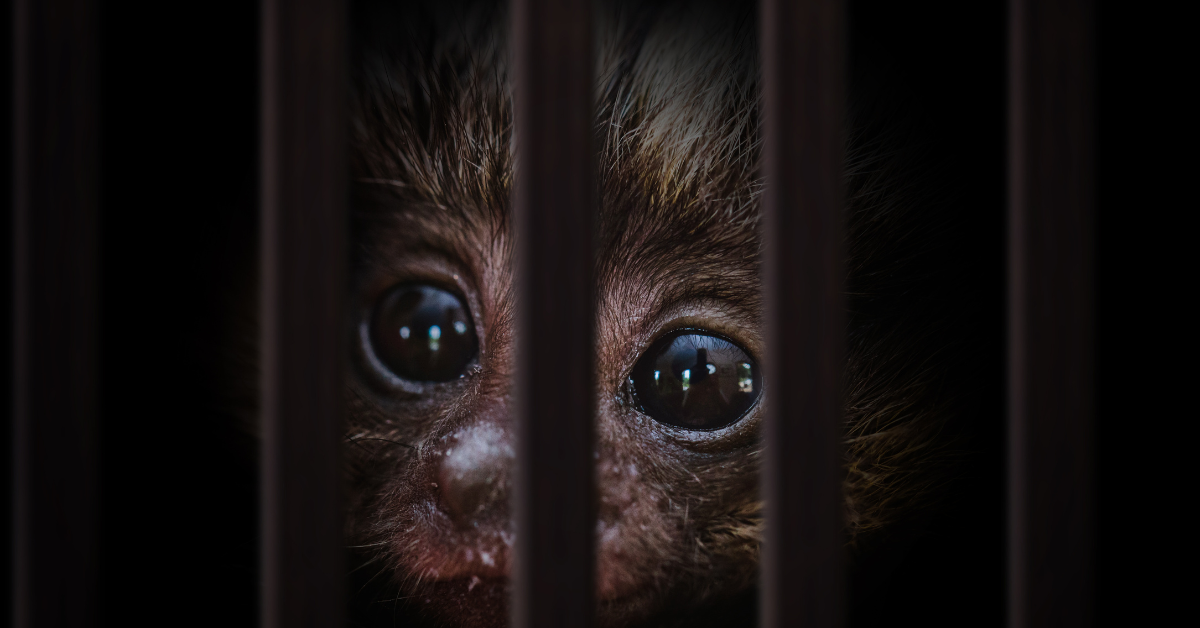
The United Arab Emirates has imposed prison sentences of up to 15 years and fines reaching Dh2 million for individuals involved in the illegal trade of endangered species, according to the Minister of Climate Change and Environment.
Dr. Amna bint Abdullah Al Dahak said the country enforces a strict zero-tolerance policy on wildlife trafficking in line with its commitments under the Convention on International Trade in Endangered Species of Wild Fauna and Flora (CITES).
“Those involved in the illegal trade of wildlife and endangered species are not welcome in the UAE,” she said.
Al Dahak said the UAE’s environmental protection efforts build on the legacy of the late Sheikh Zayed bin Sultan Al Nahyan, citing conservation milestones such as the breeding and reintroduction of the Arabian oryx, the protection of one of the world’s largest dugong populations in Emirati waters, and international efforts to safeguard falcons and other birds of prey.
She also highlighted the Mangrove Alliance for Climate, launched by the UAE in partnership with Indonesia, which has expanded to 47 member countries. The initiative promotes nature-based climate solutions and the global expansion of mangrove forests.
The UAE has pledged to plant 100 million mangroves by 2030 as part of a broader environmental strategy that includes coral reef restoration and marine biodiversity protection.
“The Emirates is leading major proactive projects to restore and rehabilitate coral reefs, with the aim of enhancing marine biodiversity and protecting fish stocks,” Al Dahak said.
She added that the UAE’s environmental programs have delivered measurable results that extend beyond its borders, particularly in advancing global biodiversity goals.
Al Dahak also pointed to efforts regulating the trade of falcons and other birds of prey, describing them as part of broader initiatives to protect heritage species while preventing illegal trafficking.
The minister said the UAE will continue strengthening its legal, regulatory, and technological frameworks and expanding international cooperation, stressing that protecting biodiversity is essential to long-term environmental and economic sustainability.