
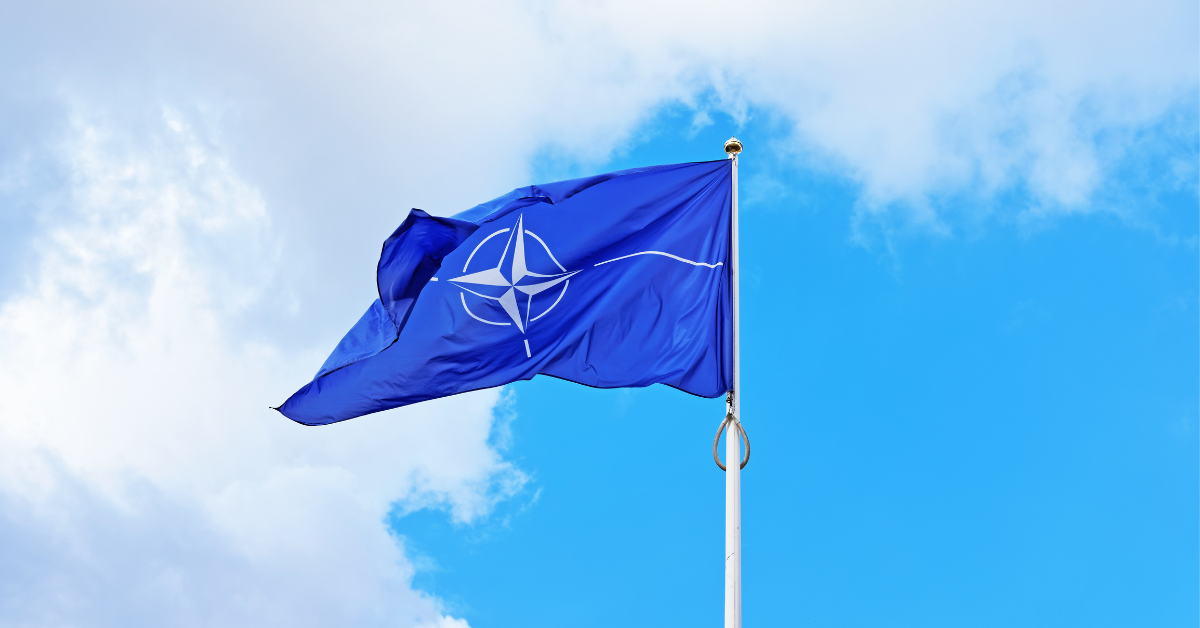
United States allies in NATO said they will not take part in President Donald Trump’s plan to blockade the Strait of Hormuz, further straining relations within the increasingly fragile military alliance.
Trump said the U.S. military would coordinate with other countries to block maritime traffic in the strategic waterway after weekend talks failed to secure an agreement to end the six-week conflict with Iran.
“The Blockade will begin shortly. Other Countries will be involved with this Blockade,” Trump said on Truth Social.
However, NATO allies including the United Kingdom and France rejected participation, stressing the importance of keeping the Strait of Hormuz open, through which about one-fifth of global oil supplies pass.
British Prime Minister Keir Starmer said the UK would not join the operation.
“We’re not supporting the blockade… we’re not getting dragged into the war,” Starmer told local news.
NATO Secretary General Mark Rutte reportedly told European members that Trump is seeking concrete commitments to secure the strait, though consensus within the alliance remains unclear.
French President Emmanuel Macron said France, together with Britain and other partners, will push for a multinational maritime mission to restore navigation once conditions allow, emphasizing it would be strictly defensive and separate from the ongoing conflict.
Meanwhile, Turkish Foreign Minister Hakan Fidan said the strait should be reopened through diplomacy, warning that forming an international enforcement force would be complex and urging NATO to reassess its relations with the Trump administration.
Several European nations signaled willingness to assist in securing the waterway, but only after hostilities end and a clear agreement ensures commercial shipping safety.