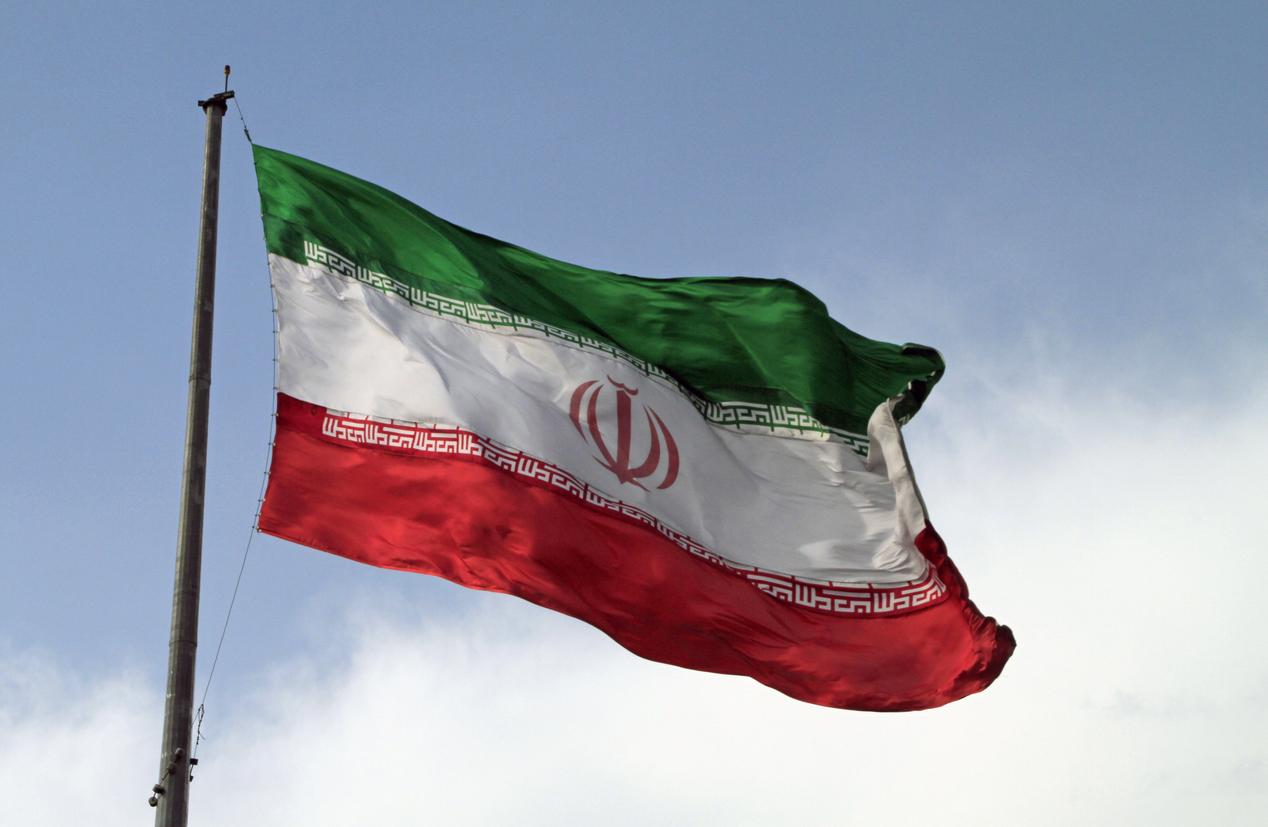
Iran warned it would launch “long and painful strikes” against US positions if Washington resumes attacks, while reaffirming its control over the Strait of Hormuz, a move that could complicate efforts to reopen the vital shipping lane.
Two months into the conflict involving Iran, the US, and Israel, the strait remains closed, disrupting roughly 20% of global oil and gas flows and pushing energy prices higher amid fears of a broader economic slowdown.
Despite a ceasefire in place since April 8, tensions persist as Iran continues to block the waterway in response to a US naval blockade targeting its oil exports.
US President Donald Trump is expected to receive a briefing on possible new military strikes aimed at pressuring Tehran into negotiations, according to a US official.
Following reports of potential US action, global oil prices surged, with Brent crude briefly exceeding $126 per barrel before easing.
A senior official of Iran’s Revolutionary Guards warned that any US strike, even limited, would trigger retaliatory attacks on American assets in the region, including military bases and warships.
Iran’s Supreme Leader Mojtaba Khamenei said Tehran would eliminate what he described as “abuses” of the strait under new management, signaling continued control over the strategic route.
The prolonged closure has raised alarm globally. Antonio Guterres warned that extended disruption could slow global growth, fuel inflation, and push millions into poverty.
Iran has also launched drones and missiles targeting Israel, US bases, and infrastructure linked to American interests in the Gulf, escalating regional instability.
Meanwhile, Washington is exploring options to reopen the strait, including potential military intervention and forming a multinational coalition to secure maritime passage.
The proposed coalition, dubbed Maritime Freedom Construct, is envisioned as part of a broader post-conflict security framework in the Middle East, with allies such as France and Britain considering participation once hostilities ease.
Diplomatic efforts remain stalled. Iran has proposed delaying discussions on its nuclear program until the conflict ends, a condition rejected by the US, which insists the issue be addressed upfront.
Amid backchannel negotiations, mediator Pakistan is facilitating exchanges between both sides, while other nations, including Japan, are pushing for safe passage of vessels through the strait.
Iranian President Masoud Pezeshkian signaled willingness to return to diplomacy but said it would depend on changes in US policy.
Analysts say despite mounting economic strain, Iran’s leadership may be capable of sustaining its position as the standoff continues.