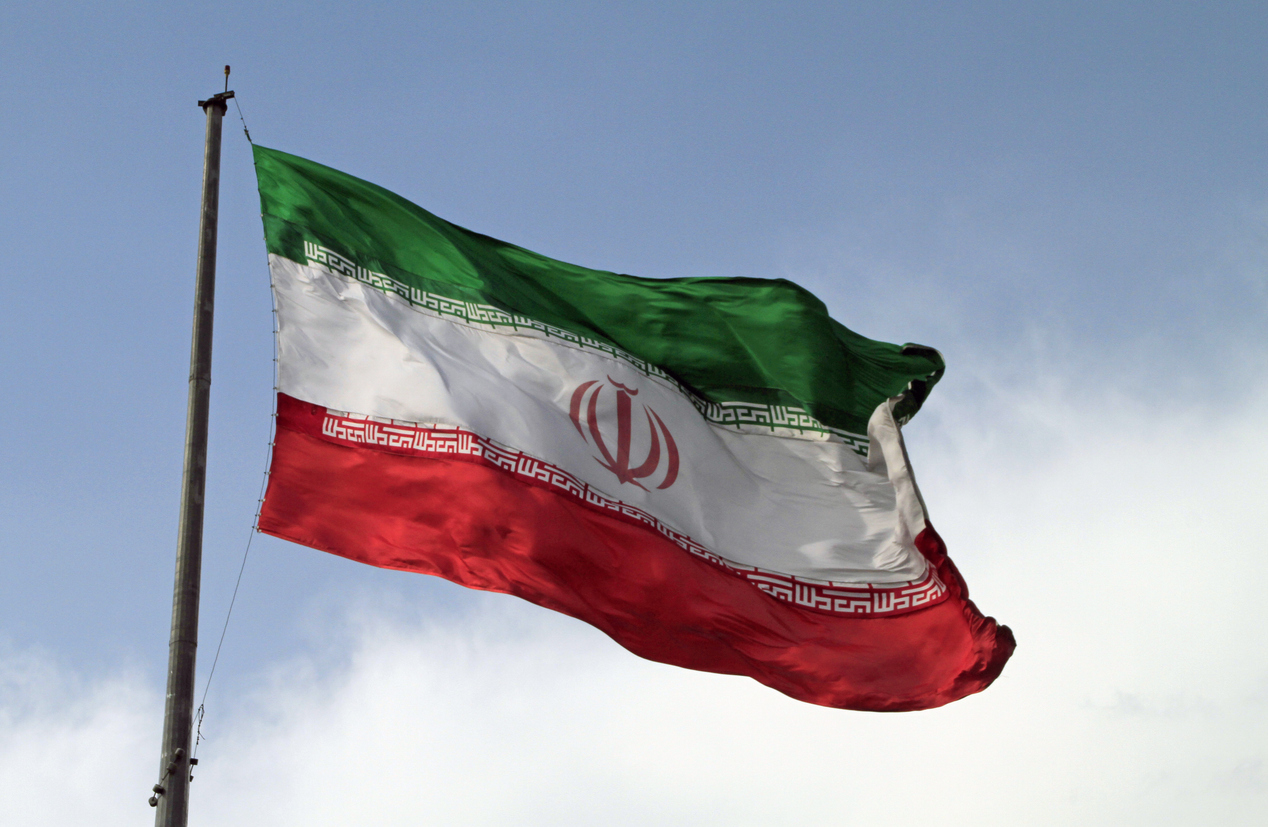
Iranian Foreign Minister Abbas Araqchi arrived in Pakistan’s capital on April 24, to discuss proposals aimed at reviving stalled peace talks with the United States, raising cautious hopes of ending an eight weeks conflict that has killed thousands and rattled global markets.
US President Donald Trump said Iran is expected to present an offer that could address American demands, but noted he had yet to see its details.
“We’re dealing with the people that are in charge now,” Trump said when asked about the negotiations.
Despite this, Iran’s foreign ministry said there are no plans for direct talks with US representatives. The statement came even as the White House confirmed that envoys Steve Witkoff and Jared Kushner are set to travel to Islamabad.
Tensions remain high following a US bombing campaign and Iran’s move to block the Strait of Hormuz, a key global oil route. The standoff has disrupted Iran’s oil exports and pushed US fuel prices to multi-year highs.
White House press secretary Karoline Leavitt said Washington has seen “some progress” from Tehran in recent days and expressed optimism for further developments. She added that Vice President JD Vance is prepared to travel to Pakistan if needed.
Pakistani officials confirmed Araqchi’s arrival, with heightened security across central Islamabad. He immediately met with Foreign Minister Ishaq Dar at the Serena Hotel, where earlier rounds of talks had taken place.
Meanwhile, Tamim bin Hamad Al Thani expressed support for Pakistan’s mediation efforts during a phone call with Trump, according to Qatar’s state news agency.
Araqchi said his regional tour, including stops in Oman and Russia, aims to coordinate with allies and discuss efforts to end the conflict.
US Defense Secretary Pete Hegseth said Iran still has an opportunity to strike a “good deal” with Washington.
Previous talks, expected earlier this week, failed to push through after Iran declined to commit and a US delegation led by Vance did not depart Washington. Trump has since extended a temporary ceasefire by two weeks to allow negotiations to resume.
Oil markets remained volatile, with Brent crude settling at $105.33 per barrel, while US West Texas Intermediate dropped to $94.88, reflecting uncertainty over supply disruptions and the prospects for renewed diplomacy.