
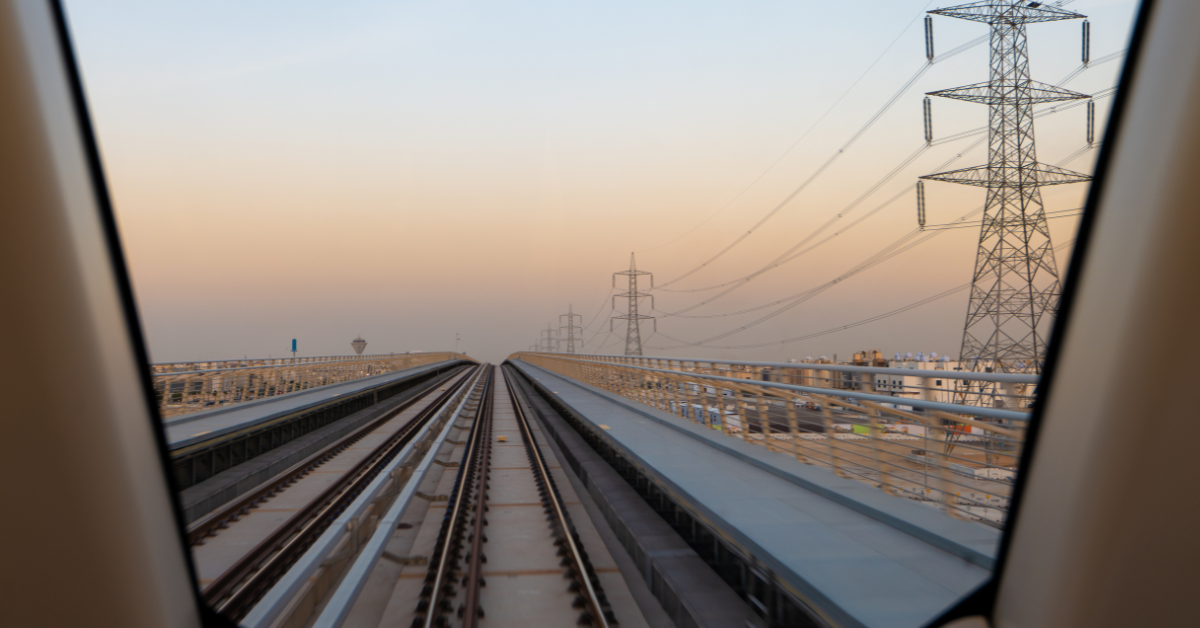
The 1,700-kilometer Gulf railway project connecting the six member states of the Gulf Cooperation Council has reached 50 percent completion, according to Mohammed Al Shebrami, Director of the GCC Rail Authority.
Al Shebrami said in an interview with Saudi newspaper that the mega infrastructure project remains on track to become fully operational by December 2030.
He described it as one of the most important joint transport initiatives in the region, designed to deepen economic integration and strengthen supply chains among member countries.
He added that the rail network is expected to boost regional connectivity, support the localization of rail-related industries, and generate new employment opportunities through collaboration between GCC governments and national companies.
Once completed, the railway will be integrated with existing air, road, and maritime transport systems, offering an alternative mode of freight and passenger movement.
Al Shebrami said that this is expected to reduce dependence on heavy truck transport and contribute to lower carbon emissions and reduced environmental impact.
Based on approved studies, passenger traffic on the network is projected to rise from 6 million in 2030 to over 8 million by 2045. Freight volumes are also expected to grow significantly, increasing from 200 million tons to 271 million tons over the same period, underscoring the railway’s expected role in boosting intra-regional trade and logistics efficiency.
Al Shebrami emphasized that implementation is being carried out through coordinated efforts among GCC member states and national companies, calling it a reflection of the bloc’s commitment to delivering strategic infrastructure that enhances the Gulf’s global economic competitiveness.