The Overseas Workers Welfare Administration (OWWA) on Wednesday announced it will add 10,000 more slots to its scholarship program for children of Overseas Filipino Workers (OFWs), following a new agreement with the Commission on Higher Education (CHED).
OWWA Administrator Patricia Yvonne Caunan said the expansion was made possible after the agency secured its highest funding level in 44 years.
“From 15,000 this year, for the first time, 25,000 na ang matutulungan ng OWWA pagdating sa anak ng OFWs,” Caunan said.
OWWA currently offers three scholarship programs: the Education for Development Scholarship Program (EDSP), the OFW Dependent Scholarship Program (ODSP), and the Congressional Migrant Workers Scholarship Program (CMWSP).
Under EDSP, qualified dependents may receive up to P60,000 per school year for a 4- to 5-year bachelor’s degree. The ODSP provides P20,000 per year for those enrolled in degree or associate programs, while the CMWSP supports OFWs and their dependents pursuing courses in priority science and technology fields.
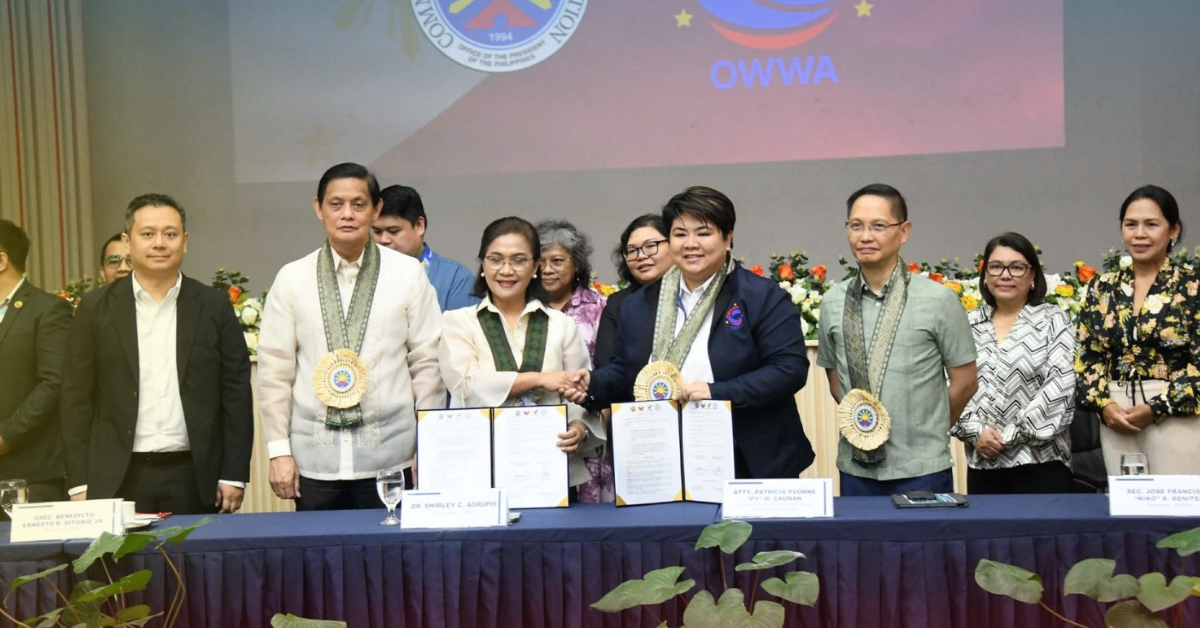
The announcement coincided with the signing of a Memorandum of Agreement between OWWA and CHED in Quezon City for the Lifelong Learning Education Assistance Program for Overseas Filipino Workers (LEAP-OFWs).
Caunan said the program aims to help OFWs earn academic degrees through flexible learning options without going through the traditional classroom setup, strengthening their reintegration and access to opportunities upon returning home.
“We are strengthening coordination across institutions to ensure OFWs receive not only financial assistance but also guidance and support throughout their learning journey,” she said.
Under LEAP-OFWs, beneficiaries may enroll in the Expanded Tertiary Education Equivalency and Accreditation Program, allowing their work experience to be credited toward completing a college degree. They may also access financial assistance and flexible study arrangements.
During the same event, CHED also led the signing of the implementing rules and regulations of Republic Act No. 11551, which integrates labor education into the tertiary curriculum, in partnership with the Department of Labor and Employment (DOLE) and the Technical Education and Skills Development Authority (TESDA).
The law aims to equip students with knowledge of workers’ rights, labor standards, and workplace practices to promote industrial harmony.
TESDA Secretary Jose Francisco “Kiko” Benitez said the measure will help ensure Filipinos are well-informed of their rights and responsibilities as workers, while DOLE Undersecretary Benedicto Bitonio Jr. noted that schools will have flexibility in delivering labor education relevant to real-world work scenarios.