
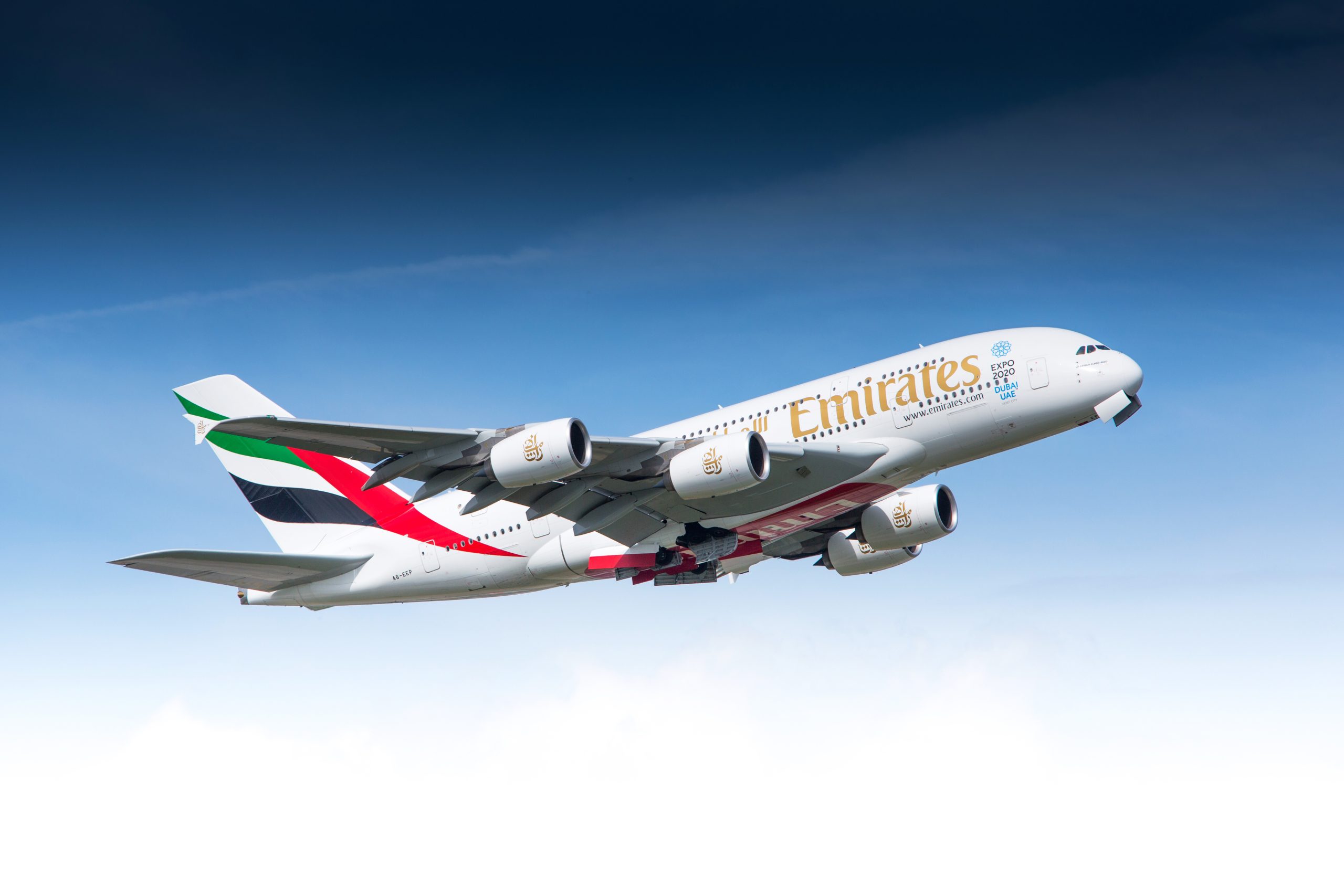
Emirates has issued a travel advisory after several countries introduced entry restrictions and enhanced screening measures in response to the ongoing Ebola outbreak.
The airline advised passengers to regularly check official government sources for the latest entry requirements before traveling, ensure contact details are updated, and monitor flight status prior to departure.
Emirates said affected passengers will be assisted with rebooking on the next available flight, including connecting services via Dubai. Customers booking flights from April 2 are also eligible for one complimentary date change across all cabins, subject to ticket validity and applicable fare differences.
The advisory comes as multiple countries tighten border measures due to Ebola concerns. On May 19, Bahrain suspended entry for foreign travelers arriving from South Sudan, the Democratic Republic of the Congo (DRC), and Uganda, becoming the first Gulf Cooperation Council (GCC) member to impose such restrictions.
Jordan has also suspended entry for passengers arriving from the DRC and Uganda, according to the Jordanian state news agency.
Health authorities in the United Arab Emirates (UAE) said they remain prepared to respond to any emerging public health developments, including Ebola-related risks. The National Emergency, Crisis and Disaster Management Authority, along with the Ministry of Health and Prevention, said preparedness and monitoring systems are continuously reviewed in line with international standards.
According to the World Health Organization (WHO), as of May 24, there have been 10 confirmed and 223 suspected Ebola-related deaths since the outbreak was declared in mid-May, out of more than 1,000 suspected and confirmed cases.
WHO Director-General Tedros Adhanom Ghebreyesus said insecurity in eastern Democratic Republic of Congo is significantly hampering containment efforts in the conflict-affected region.
He also confirmed plans to visit the DRC to support response operations, expressing confidence that the outbreak can still be brought under control.
The current outbreak is driven by the Bundibugyo strain of Ebola, for which there is no approved vaccine or treatment. The WHO has also warned that the actual scale of the outbreak may be larger than reported due to undetected transmission.