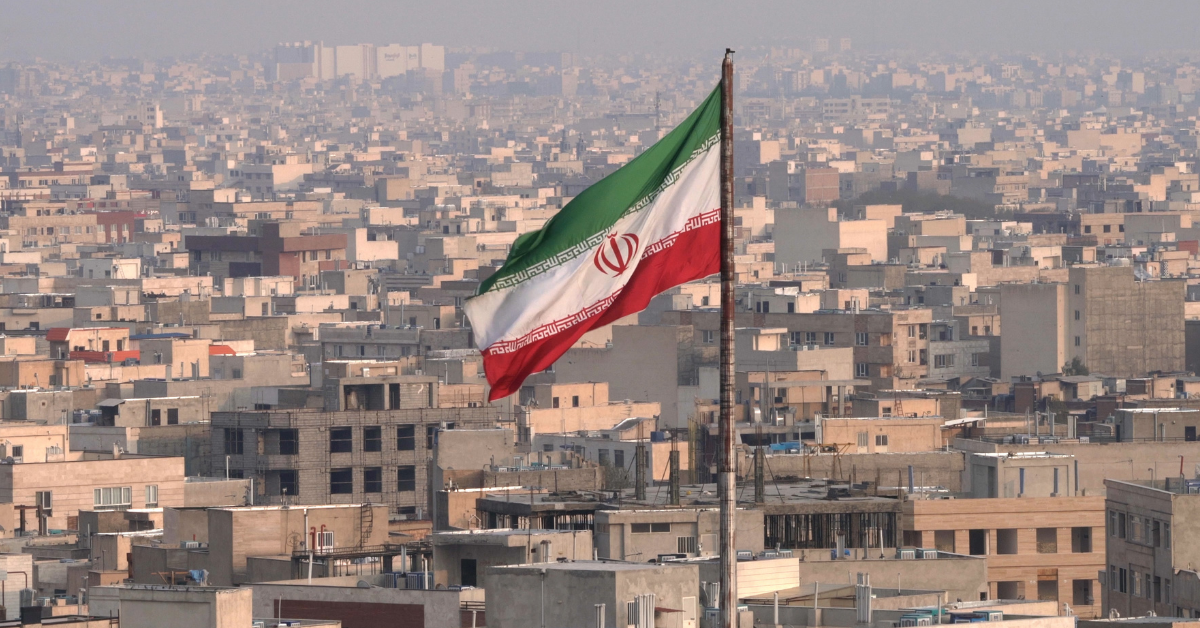
Iran said the release of its blocked assets and a ceasefire in Lebanon must be secured before any peace talks can proceed, raising last-minute uncertainty over negotiations scheduled in Pakistan.
Iranian Parliament Speaker Mohammad Baqer Qalibaf said the conditions had already been agreed with the United States and warned that talks would not begin unless these are met. Foreign Minister Abbas Araqchi echoed the demand, calling as well for an end to Israeli airstrikes in Lebanon. Both officials are expected to attend the talks.
There was no immediate response from the White House.
U.S. President Donald Trump earlier warned that American forces are prepared to resume strikes if diplomacy fails. In an interview, Trump said U.S. warships are being reloaded “with the best ammunition” ahead of the negotiations.
Vice President JD Vance, who will lead the U.S. delegation, expressed cautious optimism but warned against any attempt by Iran to undermine the talks.
Iran has long sought access to tens of billions of dollars in frozen assets held abroad, largely restricted due to U.S. sanctions on its banking and energy sectors.
A fragile ceasefire announced earlier this week has paused U.S. and Israeli strikes on Iran, but key issues remain unresolved. These include Israel’s ongoing military operations in Lebanon and the continued closure of the Strait of Hormuz, a vital global shipping route.
While Washington and Israel maintain that operations against Hezbollah are outside the ceasefire agreement, Israeli strikes in Lebanon have continued, with hundreds reported killed in recent days, including security personnel.
Iran’s position ahead of the talks has hardened further following remarks by Supreme Leader Mojtaba Khamenei, who demanded compensation for wartime damage and vowed accountability for attacks on the country.
Despite claims of success by Washington, Iran retains significant military capabilities, including missile and drone systems, as well as a stockpile of highly enriched uranium.
Tehran is also pushing for broader concessions, including the lifting of sanctions and recognition of its authority over the Strait of Hormuz, moves that could significantly reshape regional power dynamics.
The ongoing disruption in the strait has already strained global energy supplies, driving inflation and slowing economic growth worldwide, with effects expected to persist even if negotiations move forward.