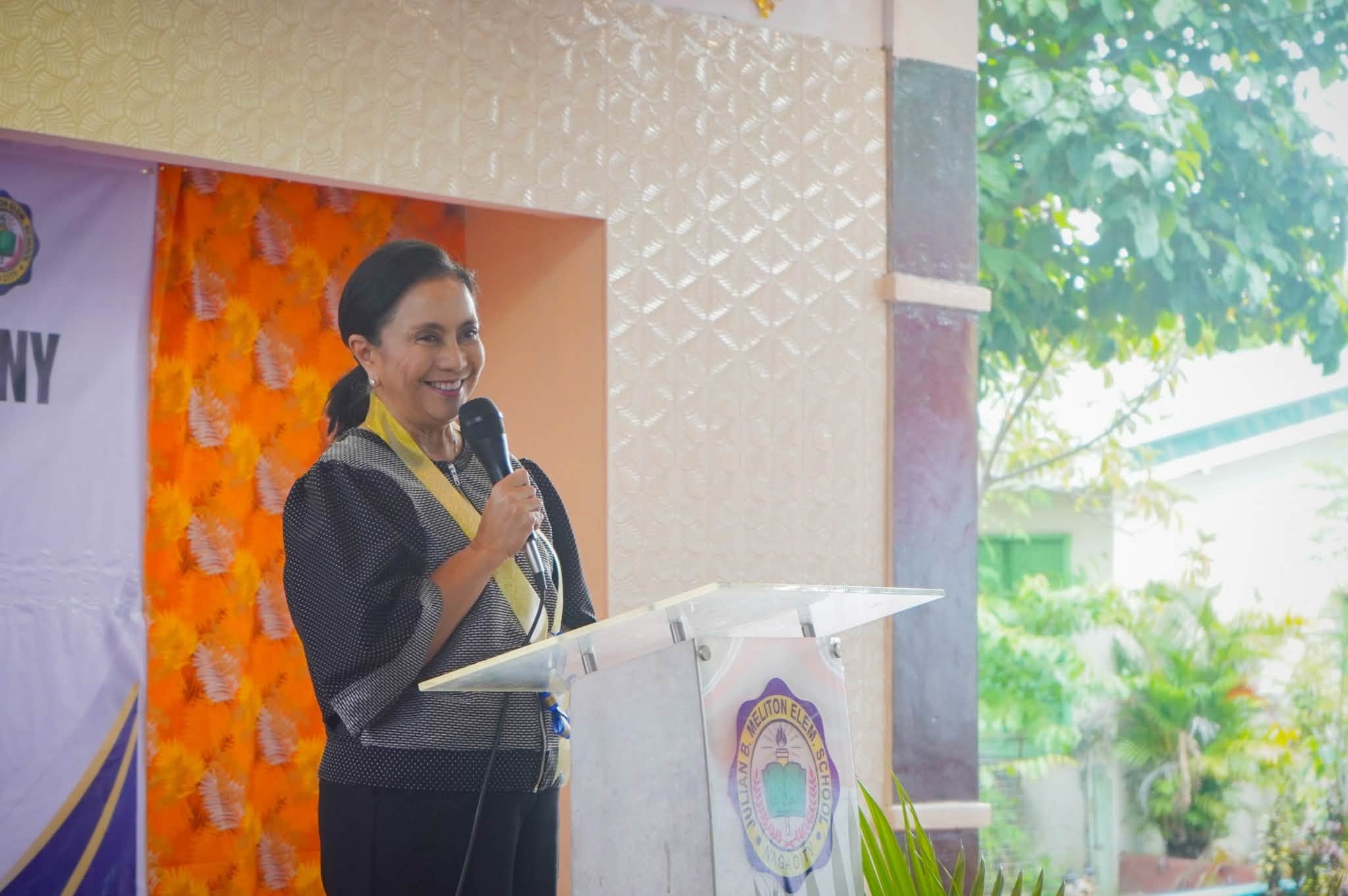
Naga City Mayor and former Vice President Leni Robredo said she expects President Ferdinand Marcos Jr. to use his fifth State of the Nation Address to present the administration’s accomplishments and outline its priorities for the remaining two years of his term.
In an interview shared by Naga City-based journalist Bong Villacruz, Robredo said the annual address is an opportunity for the President to inform the public about government programs implemented over the past year and the administration’s plans moving forward.
She said many Filipinos remain unaware of some government initiatives and that the SONA should help explain their impact.
“Kasi I think, marami din ‘yung hindi nakakaalam, ‘yung maraming ginagawa ng pamahalaan,” Robredo said.
The former vice president also cited several national government programs that have benefited Naga City.
She pointed to housing projects implemented through the Department of Human Settlements and Urban Development, saying they have helped address the city’s growing housing shortage brought about by rapid urbanization.
“Malaki ang housing problem ng Naga kasi siyempre ‘yung rapid urbanization dito, housing ‘yung naiiwan pero medyo nakakahabol tayo ngayon dahil sa tulong ng DHSUD,” she said.
Robredo also highlighted flood control initiatives, including Naga City’s selection as a pilot area for the Department of Public Works and Highways’ Oplan Kontra-Baha program.
She said the initiative provided the local government with additional equipment and civil works that strengthened the city’s flood mitigation efforts.
Robredo likewise commended the distribution of the Local Government Support Fund, saying the allocation formula was transparent and consistently applied across local government units.
She said Naga City received ₱32 million in rice assistance through the program, enabling the city government to distribute rice to poor residents.
“This year, ‘yung mabuting ginawa ng pamahalaan, lahat meron, at transparent ‘yung formulang ginamit,” Robredo said.
She added that while allocations varied depending on population and land area, local governments understood how the amounts were determined because the criteria were clearly defined.
 Staff Report23 seconds ago