
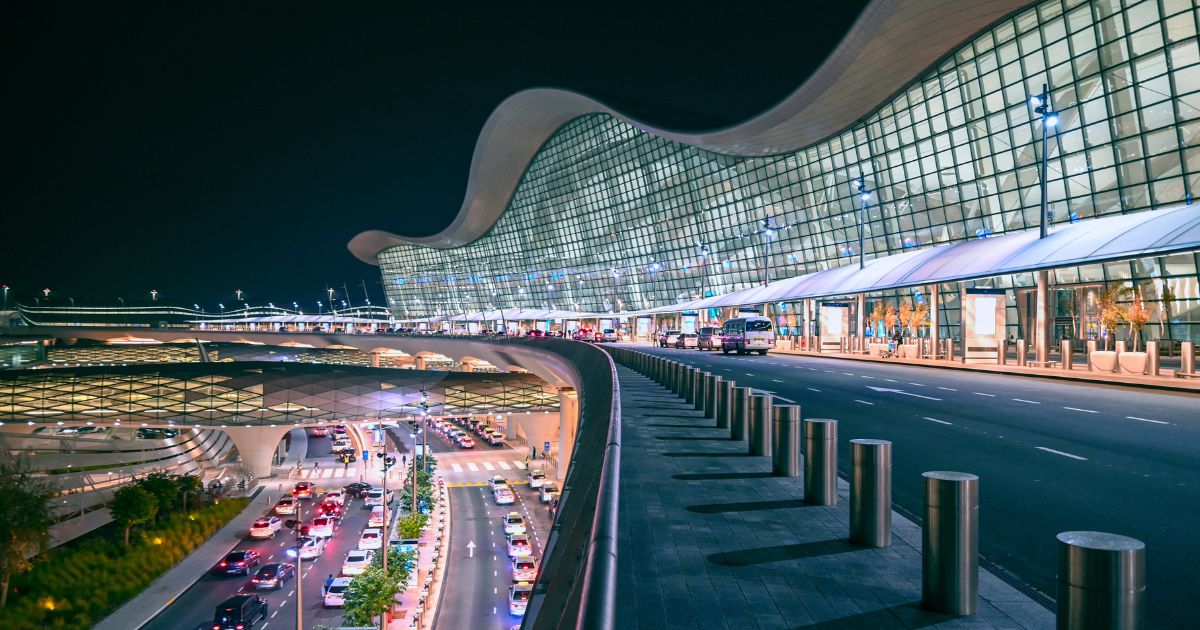
The United Arab Emirates (UAE) recorded its highest-ever air passenger traffic in 2025, with 156.8 million travelers passing through its airports, reinforcing the country’s position as one of the world’s leading aviation hubs.
Data released by the Federal Competitiveness and Statistics Centre (FCSC) showed passenger traffic rose 6.1% from 147.8 million in 2024, while aircraft movements increased 6.8% to 855,300.
UAE Minister of Economy and Tourism and General Civil Aviation Authority Chairman Abdulla bin Touq Al Marri attributed the growth to the country’s sustained investments in airport infrastructure, aviation services, and logistics, as well as its long-term strategy to strengthen global connectivity.
He said the aviation sector continues to play a key role in boosting the UAE’s economic competitiveness while supporting the goals of the country’s “We the UAE 2031” vision.
FCSC Managing Director Hanan Mansour Ahli said the figures reflect the efficiency of the UAE’s aviation ecosystem and the importance of data-driven policymaking in sustaining economic growth.
Among the country’s airports, Dubai remained the busiest with 104.5 million passengers, followed by Abu Dhabi with 34.2 million and Sharjah with 16.9 million.
Ras Al Khaimah International Airport posted the fastest growth among major airports, with passenger traffic increasing 56.8% to more than one million for the first time. Fujairah International Airport also recorded a 170% surge in passengers to 164,600.
The increase in passenger volume was accompanied by higher flight activity, with total aircraft movements reaching 855,300 in 2025, up from 801,000 the previous year.
The UAE also maintained strong global aviation rankings, placing first worldwide for air transport quality in the 2026 IMD World Competitiveness Yearbook and ranking among the world’s top countries for air transport efficiency, connectivity, and aviation infrastructure.