
For many Filipinos in the UAE, familiar food products from home are more than pantry staples. They are part of daily comfort, family traditions, and a continuing connection to the Philippines.
But behind every pack of snacks, bottle of vinegar, condiment, canned good, or ingredient on supermarket shelves is a complex supply chain that has faced extraordinary pressure in recent months.
Shankar Trading Co. L.L.C., one of the Middle East’s leading distributors of Philippine food products, said it has been working through major shipping disruptions, container delays, rerouting challenges, and sharply higher logistics costs to keep Filipino products available across the UAE.
According to Shankar Trading CEO Raju Gidwani, the company faced one of its most difficult supply chain periods as containers carrying Philippine products were delayed, redirected, or stranded across different routes and ports.
He said freight and logistics costs rose by as much as eight to ten times, while some shipments required alternative routing and land movement before reaching UAE retailers. Despite this, the company made the decision to continue moving goods “at any cost” to ensure that Filipino consumers would not face empty shelves or panic over supply shortages.
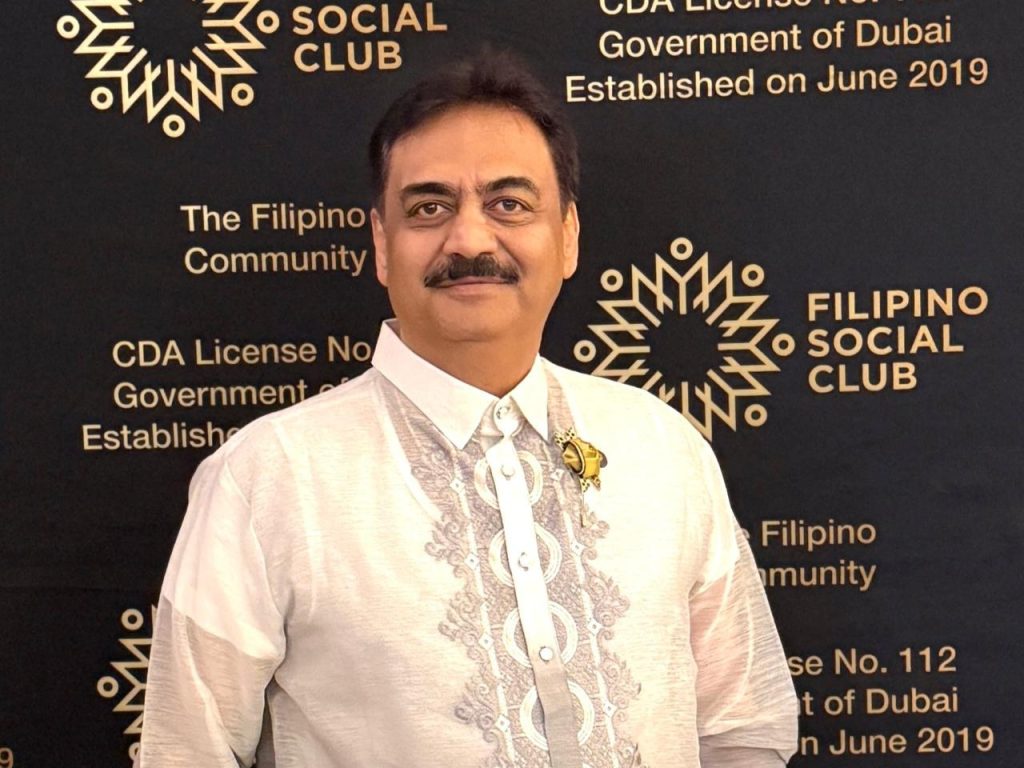
“We will try to maintain as much stock as possible at any cost because we don’t want consumers to panic,” Gidwani said. “We know they need these products and we want to keep supporting them.”
For Gidwani, the impact of the crisis goes beyond business operations. He said many Filipino consumers in the UAE depend on affordable food products, especially overseas workers who balance daily living expenses with remittances to families in the Philippines.
He said Shankar Trading was careful not to impose drastic price increases despite the surge in shipping and operational expenses.
“There are a lot of low-value products, in terms of vinegars, sauces, snacks and oil,” he said, explaining that even a small increase in logistics costs can affect retail prices. But the company decided that any adjustment should be minimal, considering the financial pressures faced by many consumers.
Gidwani said the company understands that Filipino food products hold both practical and emotional value for the community.
“Filipinos love Filipino food, and they need it at an affordable price,” he said, adding that many overseas Filipinos have limited income and must also support their families back home.
The crisis also tested the company’s internal resolve. Gidwani said that from March 1, Shankar Trading made a firm decision that despite the business losses and higher costs, there would be no layoffs, no forced leaves, and no salary cuts among its employees.
He said the company wanted to support its staff “from junior to senior level” during a critical period.
“We know they are with us in good times, so we have to support them in a critical, tough time,” he said.
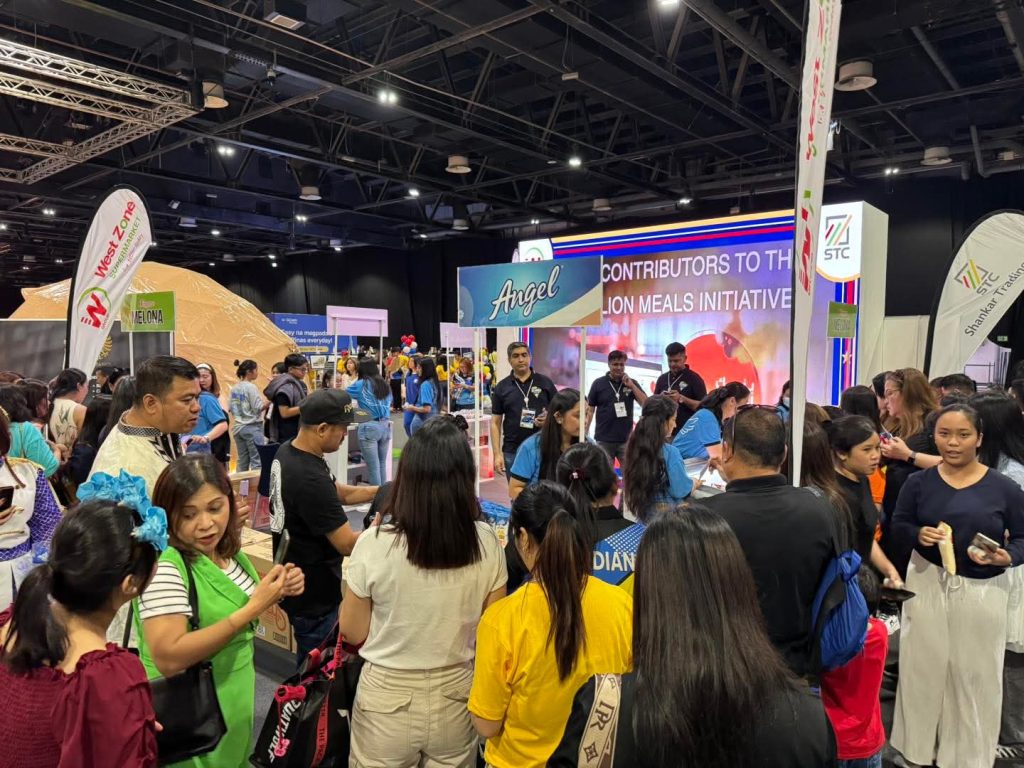
The company also reached out to its Philippine suppliers and principals during IFEX Philippines 2026 to explain the situation and seek support in stock allocation, cost-sharing, and continued supply. Gidwani said the discussions were important to ensure that retailers and consumers in the UAE would continue to see Philippine brands on shelves.
“We want the shelves to be full. The visibility should be intact,” he said.
Despite the difficulties, Shankar Trading is moving forward with additional shipments from the Philippines. Gidwani said the company has already moved more containers that are expected to arrive in the coming months, even as shipping timelines remain uncertain.
He described the current situation as even more challenging than the pandemic because of the unpredictability of routes, costs, and container arrivals.
“This is more than the pandemic,” he said. “There is no certainty. But with the challenges, we have to move on.”
Still, Gidwani said Shankar Trading sees the crisis as temporary. The company is continuing with plans to expand its logistics capabilities, including a new facility that will be three times bigger than its current one. It is also pursuing new product development with Philippine manufacturers, with launches expected in the second half of 2026.
“Challenges make us stronger. This is a short-term problem. We will come back with more strength and more power,” he said.
Shankar Trading is also set to participate once again in Philippine Independence Day celebrations in the UAE, which Gidwani said reflects the company’s continued support for the Filipino community.
For more than three decades, Shankar Trading has helped bring Philippine food products to the Middle East, supporting both Filipino consumers abroad and Philippine manufacturers seeking access to overseas markets.
For Gidwani, keeping Filipino products available during the crisis is not only about protecting business continuity. It is about protecting confidence, affordability, and a sense of home for Filipinos living thousands of kilometers away.
As he put it: “The show must go on.”