
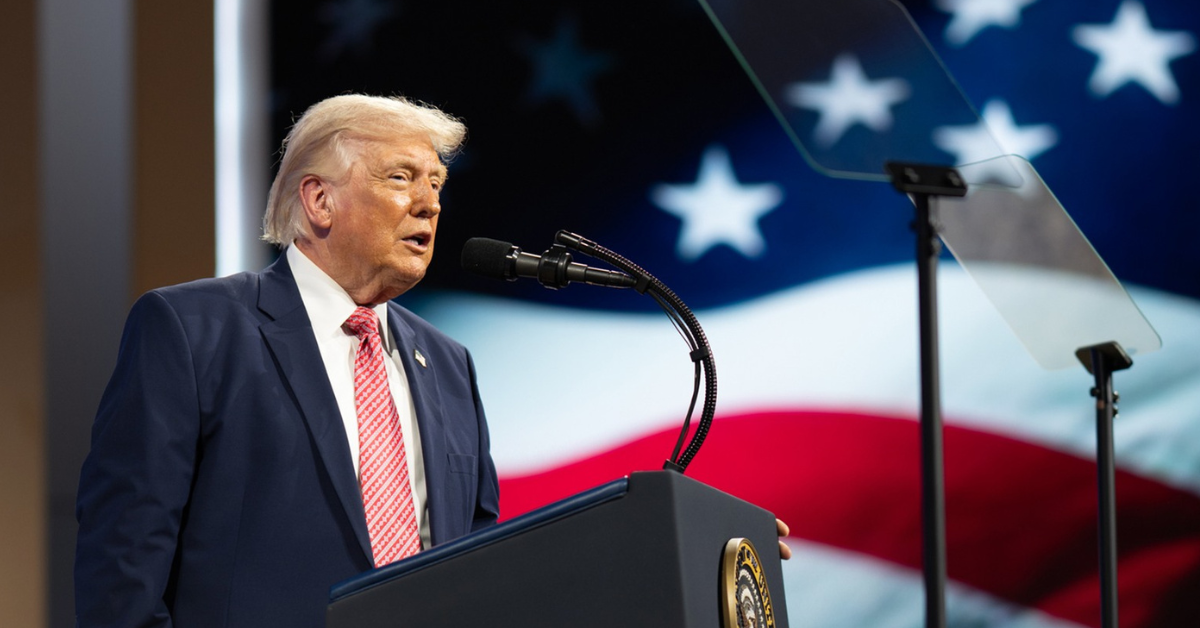
Negotiations to end the ongoing conflict between the United States and Iran could resume in Pakistan within the next two days, U.S. President Donald Trump said, following the collapse of weekend talks that prompted Washington to impose a blockade on Iranian ports.
Officials from Pakistan, Iran, and Gulf states also indicated that negotiating teams from both sides may return later this week, though an Iranian official said no specific date has been finalized.
Trump suggested progress could come soon, while U.S. Vice President JD Vance said efforts were underway to strike a “grand bargain” despite deep mistrust between the two countries.
The U.S. blockade has drawn strong reactions from Tehran, but renewed prospects for diplomacy helped ease global oil markets, pushing benchmark prices below $100 per barrel.
Since the war began on February 28, Iran has effectively shut down the Strait of Hormuz, a critical route for global oil and gas shipments. The conflict has left around 5,000 people dead.
Previous talks in Islamabad failed to produce an agreement, raising uncertainty over a fragile two-week ceasefire that still has one week remaining.
Iran’s nuclear program remains a major sticking point. Washington has proposed a 20-year suspension of Iran’s nuclear activities, while Tehran has suggested a shorter pause of three to five years. The U.S. is also pushing for the removal of Iran’s enriched nuclear material.
Sources said backchannel discussions since the weekend have narrowed differences, potentially paving the way for a new round of formal talks.
However, reaching a deal remains complex, particularly after Trump withdrew from the 2015 nuclear agreement. Any new arrangement would likely require monitoring by the International Atomic Energy Agency. Iran is also seeking sanctions relief, which the U.S. cannot guarantee on its own.
The blockade, enforced by the U.S. Central Command, has so far stopped vessels bound for Iranian ports, though shipping data showed continued movement through the Strait of Hormuz.
The conflict has heightened concerns over global energy security. The International Monetary Fund warned that prolonged instability and sustained oil prices above $100 per barrel could push the global economy toward recession. Meanwhile, the International Energy Agency lowered its forecasts for oil supply and demand growth.
U.S. allies, including United Kingdom and France, said they would not participate in the blockade but may help secure the strait if an agreement is reached.
China, a major importer of Iranian oil, criticized the blockade as “dangerous and irresponsible,” warning it could further escalate tensions.
Analysts said oil prices are expected to remain elevated even after the strait reopens, citing potential supply backlogs, infrastructure damage, and continued uncertainty.