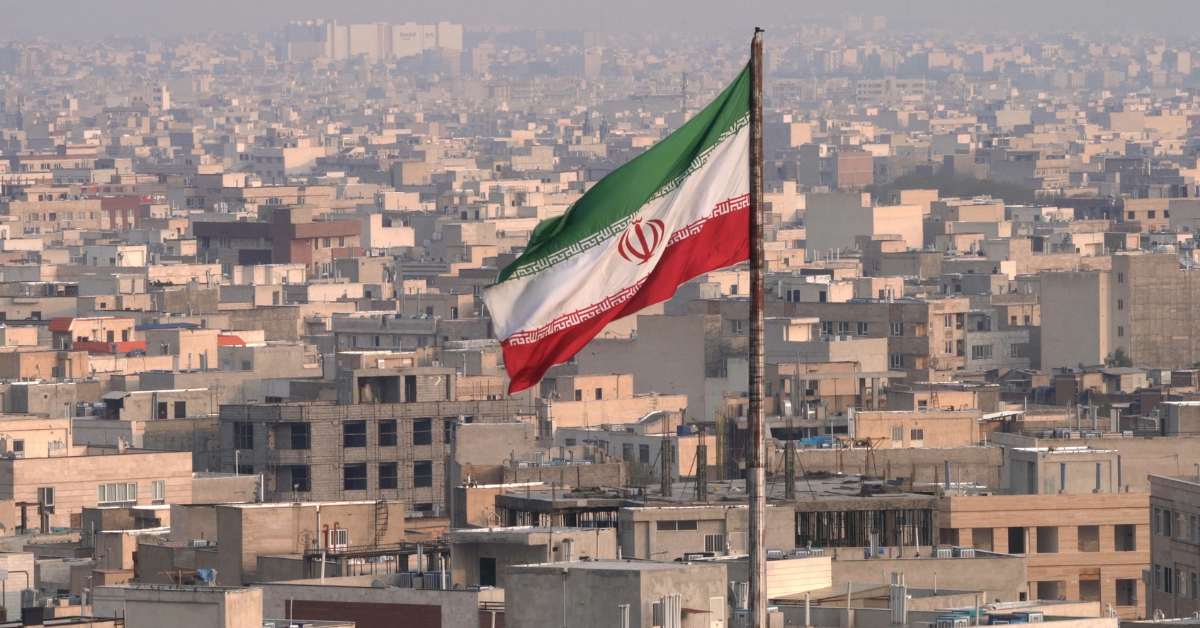
Iran’s Islamic Revolutionary Guard Corps said it would soon deliver a “devastating offensive operation” for the killing of Supreme Leader Ayatollah Ali Khamenei in U.S.-Israeli strikes.
Iranian state media and United States reported that Khamenei was killed following coordinated attacks on Iranian military and strategic sites. U.S. President Donald Trump said the strikes were part of ongoing military operations targeting Iranian strategic capabilities.
The development marks a turning point in the region’s security landscape and raises fears of broader regional escalation.
Statements broadcast by Iranian outlets and carried by the semi-official Fars News Agency said retaliatory actions could begin “at any moment”.
The IRGC said its forces are prepared to deploy advanced missiles and drones capable of striking fixed and mobile targets across the region with greater precision, underscoring the potential scale of any retaliation.
Iranian authorities reported significant casualties following the attacks. The Iranian Red Crescent said more than 200 people were killed and hundreds injured across multiple provinces. These figures have not yet been independently verified.
Recent retaliatory strikes and interceptions have already affected several countries:
• United Arab Emirates: Air defenses intercepted multiple attack waves; falling debris caused 2 fatalities and more than 7 injuries in Abu Dhabi.
• Qatar: The Al Udeid Air Base was targeted; most projectiles were intercepted, while debris injured at least 8 people in Doha.
• Kuwait: Military sites and areas near Kuwait International Airport were targeted, leaving 3 soldiers and 12 civilians wounded.
• Saudi Arabia: Air defenses intercepted missiles over Riyadh and the Eastern Province. No mass casualties have been reported.
• Bahrain & Iraq: U.S. and allied military facilities were among reported targets.
On Feb 28, the United Arab Emirates Ministry of Foreign Affairs strongly condemned what it described as blatant missile attacks targeting the UAE and several countries in the region, calling them a flagrant violation of national sovereignty, international law, and the UN Charter.
In an official statement, the UAE affirmed its legitimate right to respond to protect its sovereignty and national security, expressed full solidarity with neighboring states, stressing that regional security is indivisible, warned against using regional territories as arenas for expanding conflict, cautioned that continued violations threaten regional stability, global economic security, and energy supply chains, and called for restraint, diplomacy, and serious dialogue to prevent further escalation.
The UAE emphasized it will take all necessary measures to protect its territory, citizens, residents, and allied nations in accordance with international law.
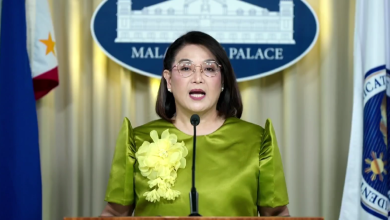
*Filipinos in the Middle East urged to remain vigilant*
The Middle East is home to millions of overseas Filipinos, including large communities in the Gulf states and Israel.
Philippine diplomatic missions have advised Filipinos to remain calm, monitor official announcements, follow local safety directives, avoid unnecessary travel, and maintain communication with employers and family members. They also warned against sharing unverified information that could cause panic.