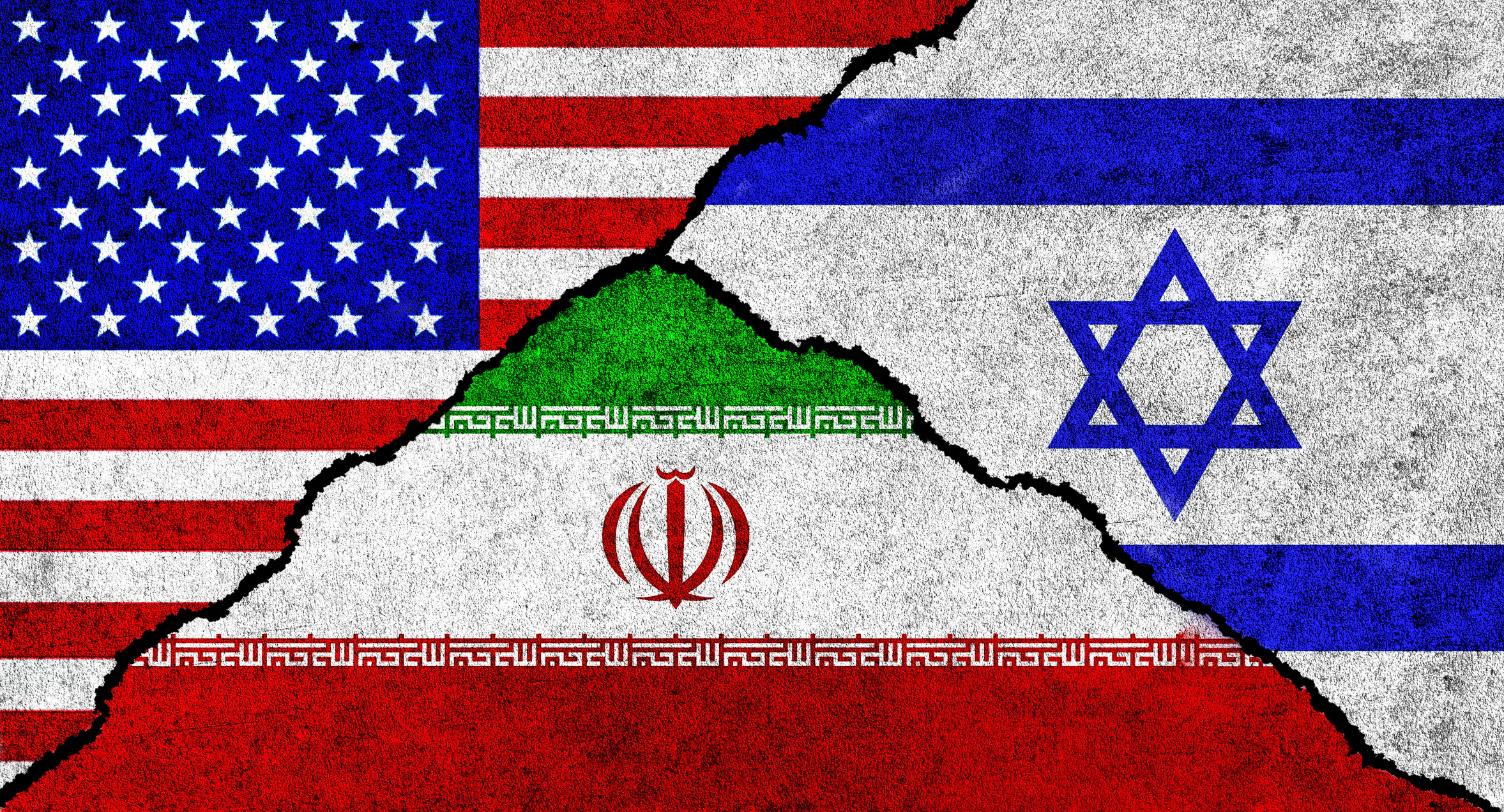
The United States and Iran have agreed to establish a direct communication line for the Strait of Hormuz as negotiators concluded a second day of talks in Switzerland aimed at securing a broader agreement on Tehran’s nuclear program and regional security issues.
Qatari and Pakistani mediators announced the agreement following negotiations in Obbuergen, Switzerland, near Lake Lucerne.
The communication mechanism is intended to prevent misunderstandings, reduce the risk of maritime incidents and help ensure the safe passage of commercial vessels through the strategic waterway.
According to a joint statement from the mediators, the dedicated channel will allow American and Iranian officials to rapidly exchange information and address maritime concerns before they escalate into a wider confrontation.
The development comes after days of uncertainty in the Strait of Hormuz, a critical route for global energy shipments, where vessel traffic reportedly declined as shipping operators assessed security risks and conflicting statements from Washington and Tehran regarding access to the waterway.
The two sides also agreed to establish a high-level committee to oversee the negotiations and create working groups focused on nuclear issues, sanctions and dispute resolution.
Technical teams are expected to remain in Switzerland to continue discussions throughout the week.
The talks are being led by U.S. Vice President JD Vance, Special Envoy Steve Witkoff and presidential adviser Jared Kushner, alongside Iranian negotiators.
Mediators described the discussions as having made “encouraging progress,” despite tensions that briefly disrupted the process.
A senior U.S. diplomat said negotiators advanced discussions on mechanisms to keep the Strait of Hormuz open and explored measures to preserve a fragile ceasefire in southern Lebanon.
The parties also agreed to establish a deconfliction mechanism involving Lebanon and the mediators to help prevent renewed hostilities between Israel and Hezbollah.
Reports indicate that U.S. and Iranian negotiators discussed a roadmap aimed at reaching a broader agreement within 60 days, including implementation of the interim memorandum of understanding reached last week.
One of the key unresolved issues remains Iran’s uranium enrichment program.
Iranian President Masoud Pezeshkian reiterated that Tehran would not abandon what it considers its right to enrich uranium, while U.S. officials continue to seek stronger restrictions as part of any long-term agreement.
The Switzerland negotiations form part of a 60-day framework established under last week’s interim accord between Washington and Tehran, which seeks to address Iran’s nuclear activities, sanctions relief, frozen assets and wider regional security concerns.
Despite remaining differences, both sides have expressed cautious optimism that the talks could help build confidence and reduce tensions following months of conflict and confrontation in the region.